
Last updated September 11, 2026
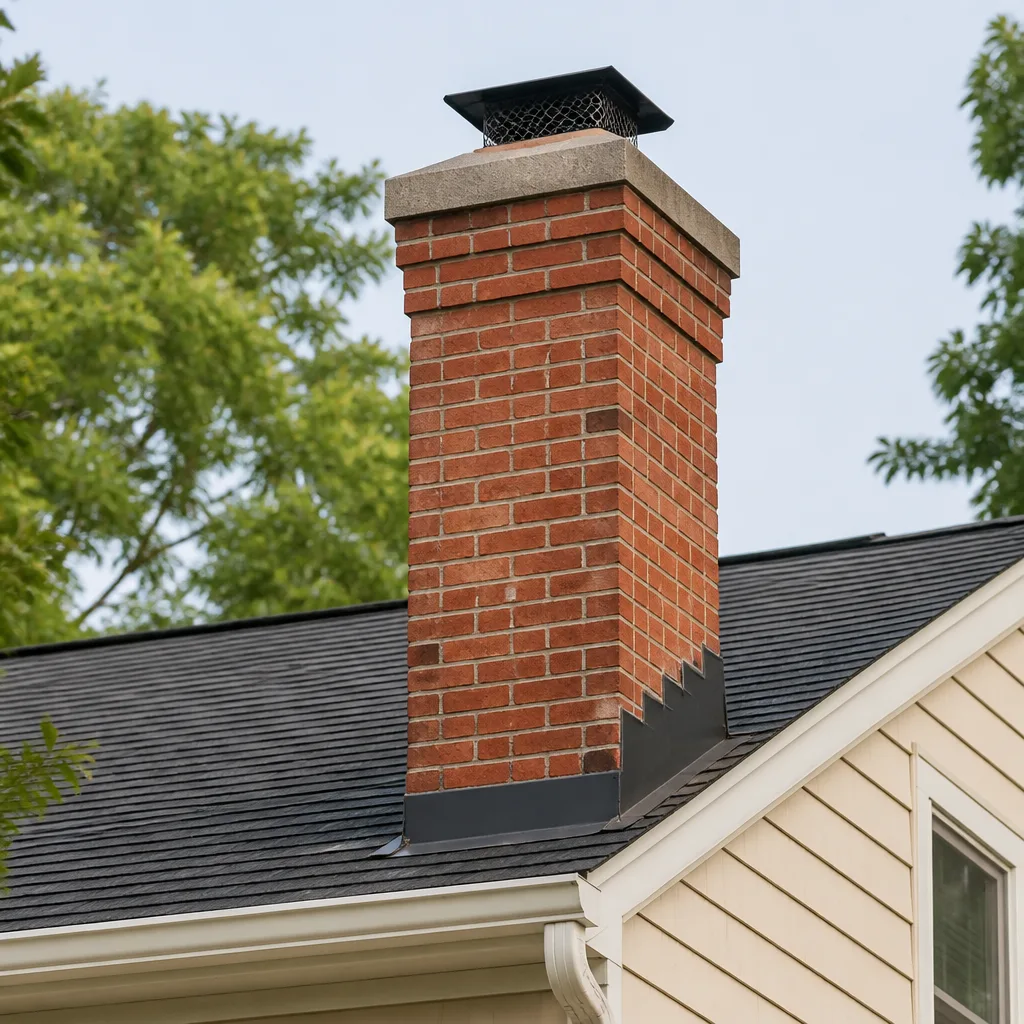
Level 1 sweep and inspection to the NFPA 211 annual standard - flue, crown, cap, and flashing checked and photographed
Chimney sweep logs do not sweep chimneys. They loosen some creosote - which then falls where a brush and vacuum still have to collect it.


 Before
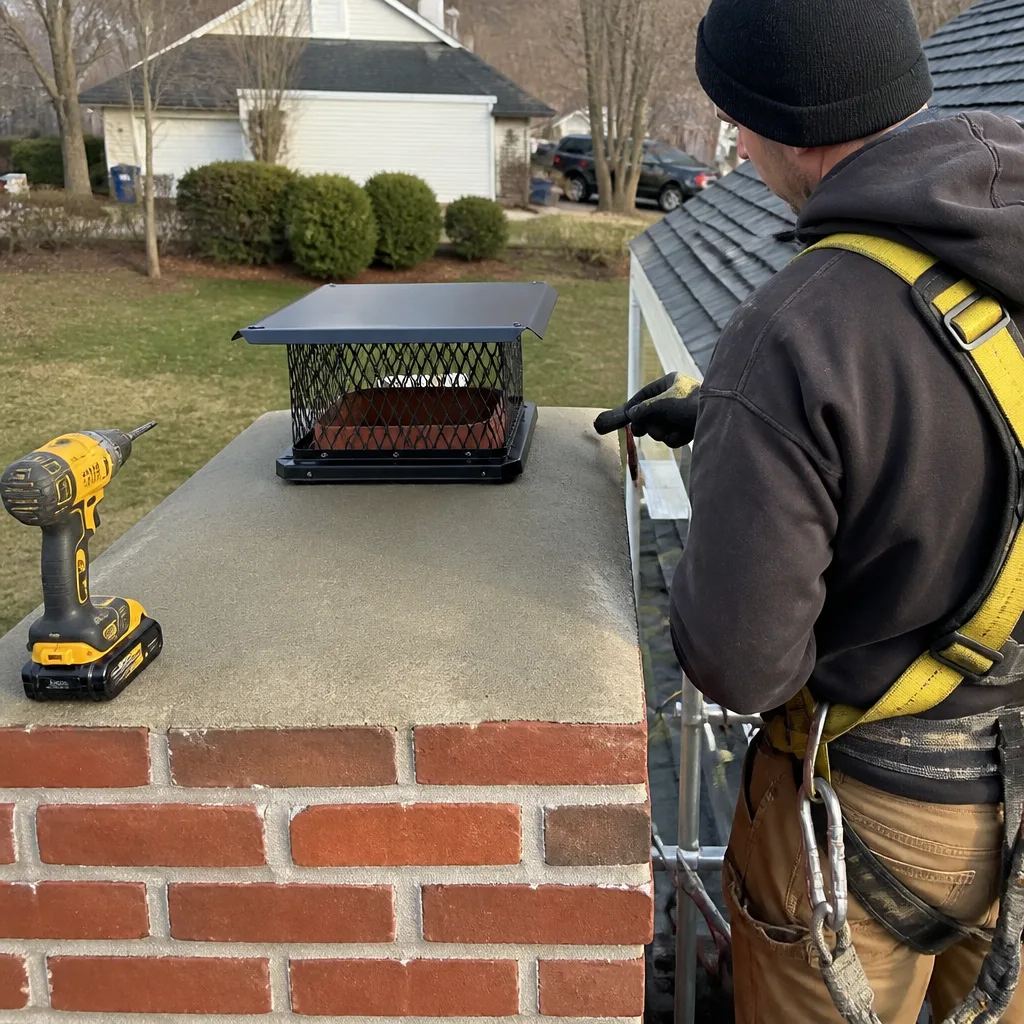 After
After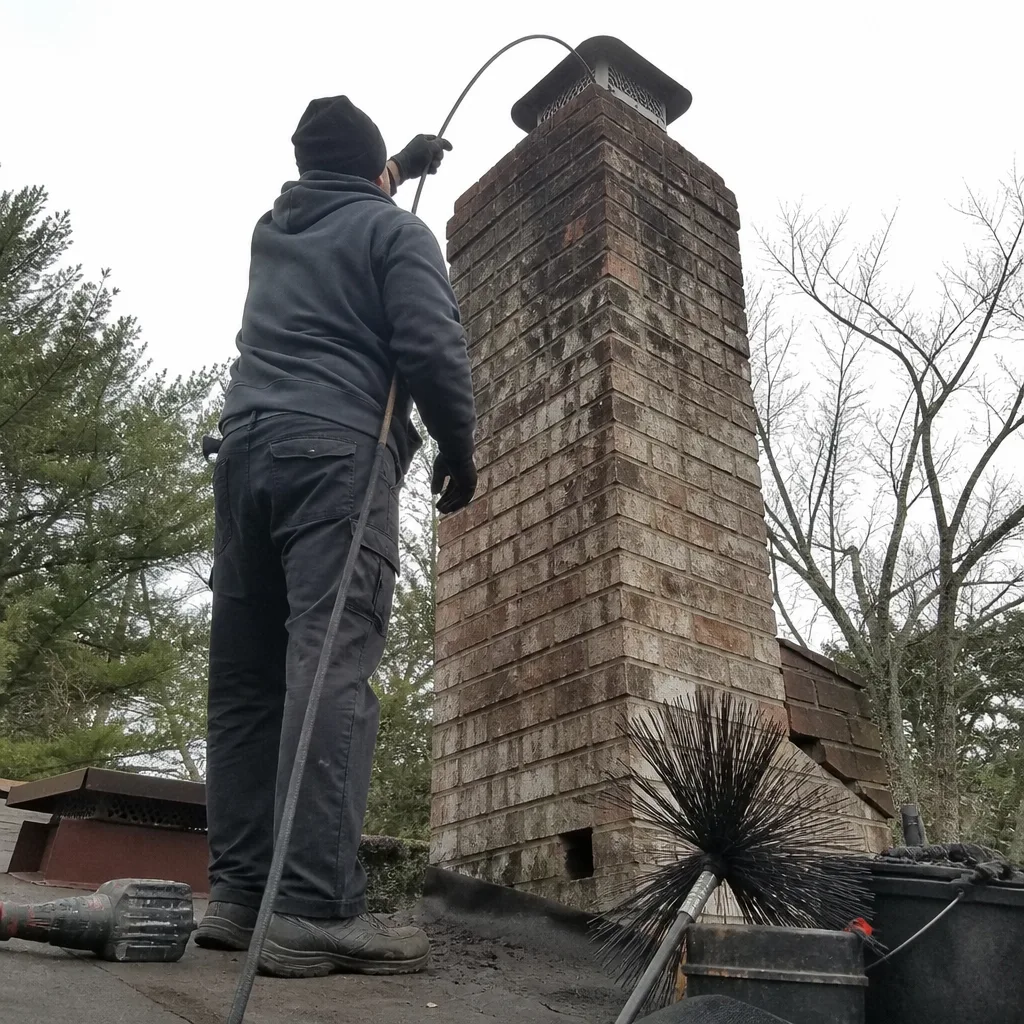 Before
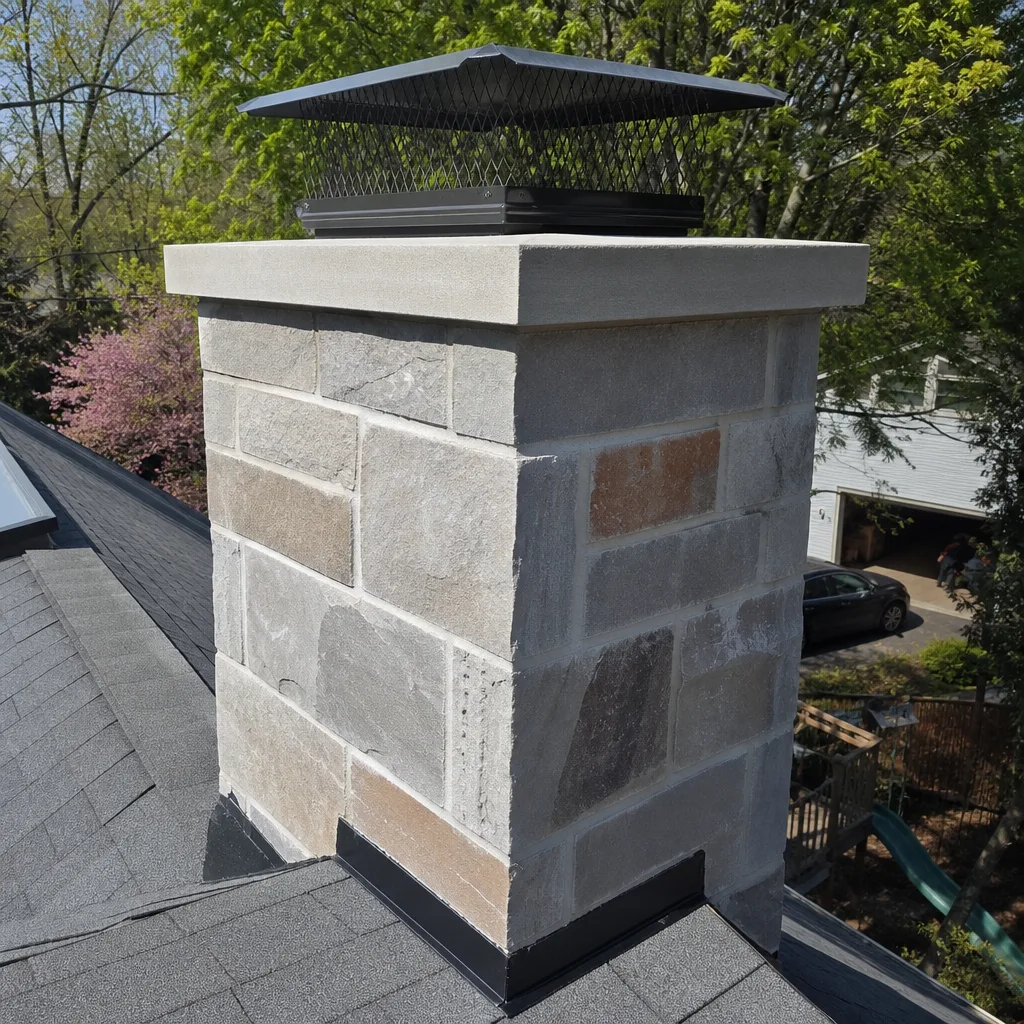 After
After Before
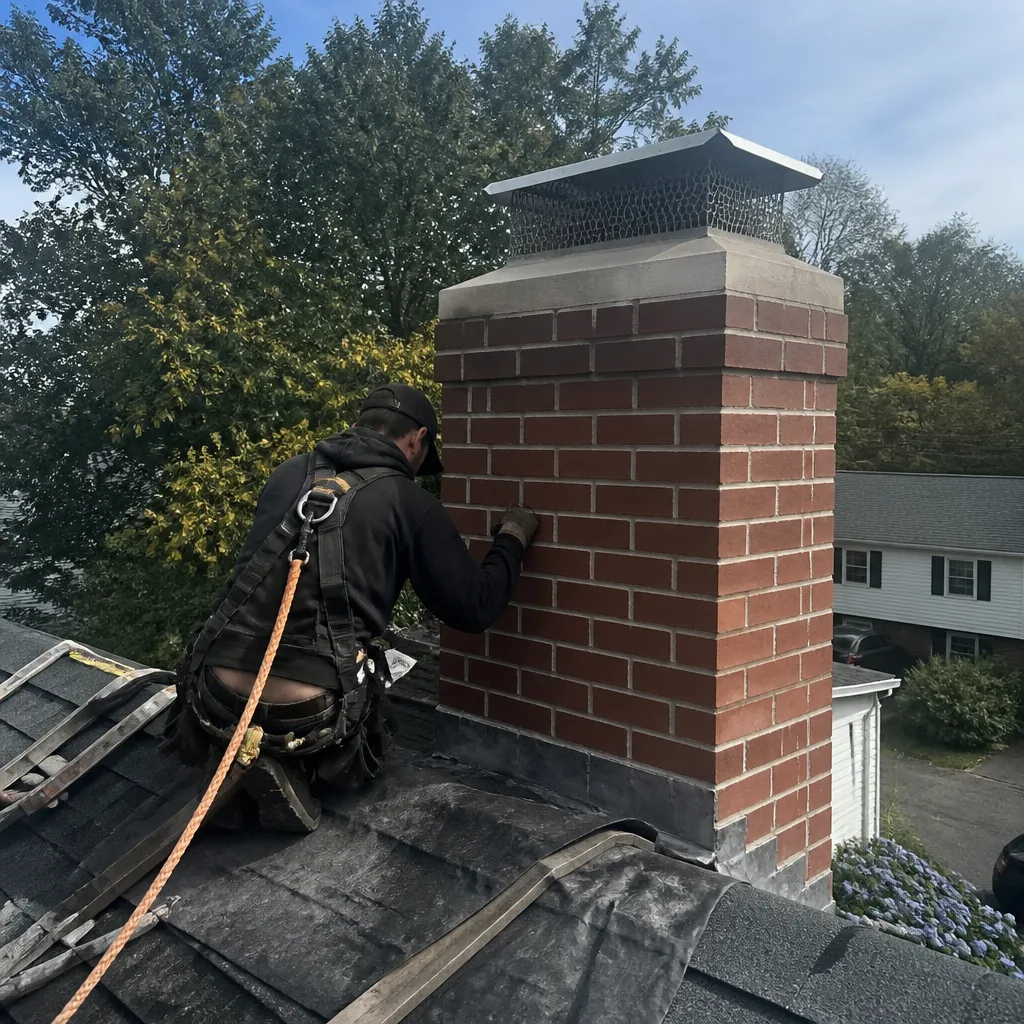 After
AfterChimney Cleaning Cost Breakdown: The Annapolis Homeowner’s Reference for 2026
A $79 chimney cleaning special and a $350 chimney cleaning can both be honest quotes. They’re just for completely different jobs, and the $79 version typically becomes $350 or more once the tech is standing in your living room and you’re in a worse negotiating position than you were on the phone. This guide walks through the actual line items that make up a properly scoped chimney cleaning in Annapolis, which variables should legitimately move your price, and which ones shouldn’t. You’ll finish it knowing how to compare two quotes that are actually measuring the same thing.
Quick Answer
A legitimate single-flue chimney cleaning with camera inspection in Annapolis runs $180 to $340 in 2026. The national chains advertise $79 to $99 “sweep specials” and then add charges for the firebox, the smoke shelf, the vacuum containment, and the inspection once a tech is in the house. For a standard masonry fireplace with one clay-tile flue in average condition, expect to pay between $200 and $260 from a local operator who includes everything in the upfront number. The price you hear on the phone is the number on the invoice. That’s the difference.
Table of Contents
- What a Chimney Cleaning Actually Includes (And What Discount Quotes Leave Out)
- The Variables That Should Change Your Price
- The Variables That Shouldn’t Change Your Price
- Annapolis Market Reality for 2026: Real Numbers
- How the 90-Day Guarantee Functions as Cost Protection
- Creosote Levels and What They Mean for Your Bill
- Questions to Ask Before You Book
- Common Mistakes to Avoid
What a Chimney Cleaning Actually Includes (And What Discount Quotes Leave Out)
Here’s the core problem with comparing chimney cleaning prices in Annapolis: two companies can use the same word, “cleaning,” and mean two different scopes of work. One is quoting for the full job. The other is quoting for the part of the job that gets them through your door. Understanding the line items is the only way to know which quote you’re holding.
A properly scoped chimney cleaning includes six components. Every one of them matters, and discount operators quietly drop three or four of them:
- Access and floor protection. Drop cloths, shoe covers, and protection for your hearth and surrounding floor. Runs $15 to $30 in materials and setup time. Skipped by budget operators to save 20 minutes.
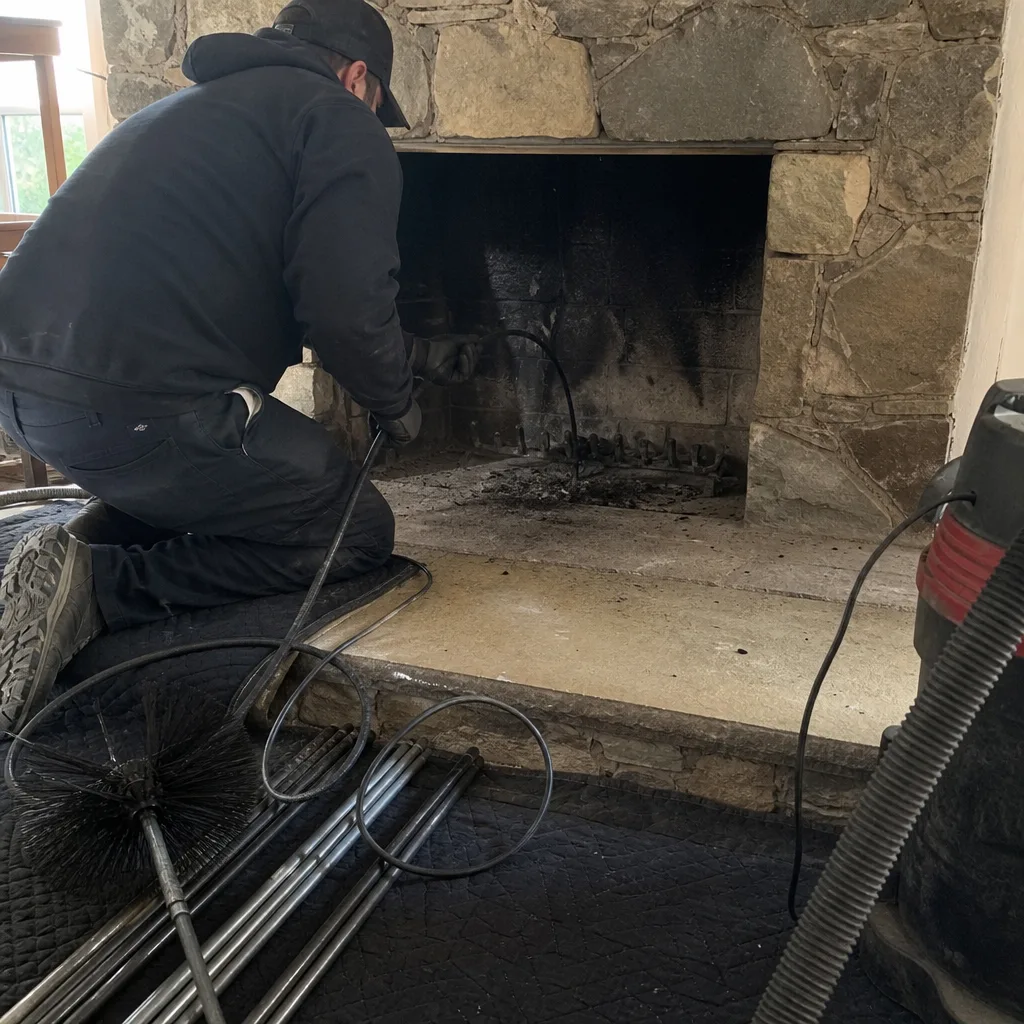
- Mechanical brushing of the flue. This is the part everyone thinks of. Wire or poly brush sized to your flue, run from top down or bottom up with proper rod assembly. The actual brushing is 30 to 45 minutes for a standard single flue.
- Vacuum containment. A high-CFM HEPA-rated vacuum running the entire time the brush is moving. This is not optional. Without it, fine creosote dust finds its way into your house. Budget jobs skip this and you’ll know within a day.
- Firebox and smoke shelf clearing. The debris that falls during brushing collects in the firebox and on the smoke shelf. It has to be removed by hand and vacuum. This takes 15 to 20 minutes. It’s one of the most commonly dropped line items.
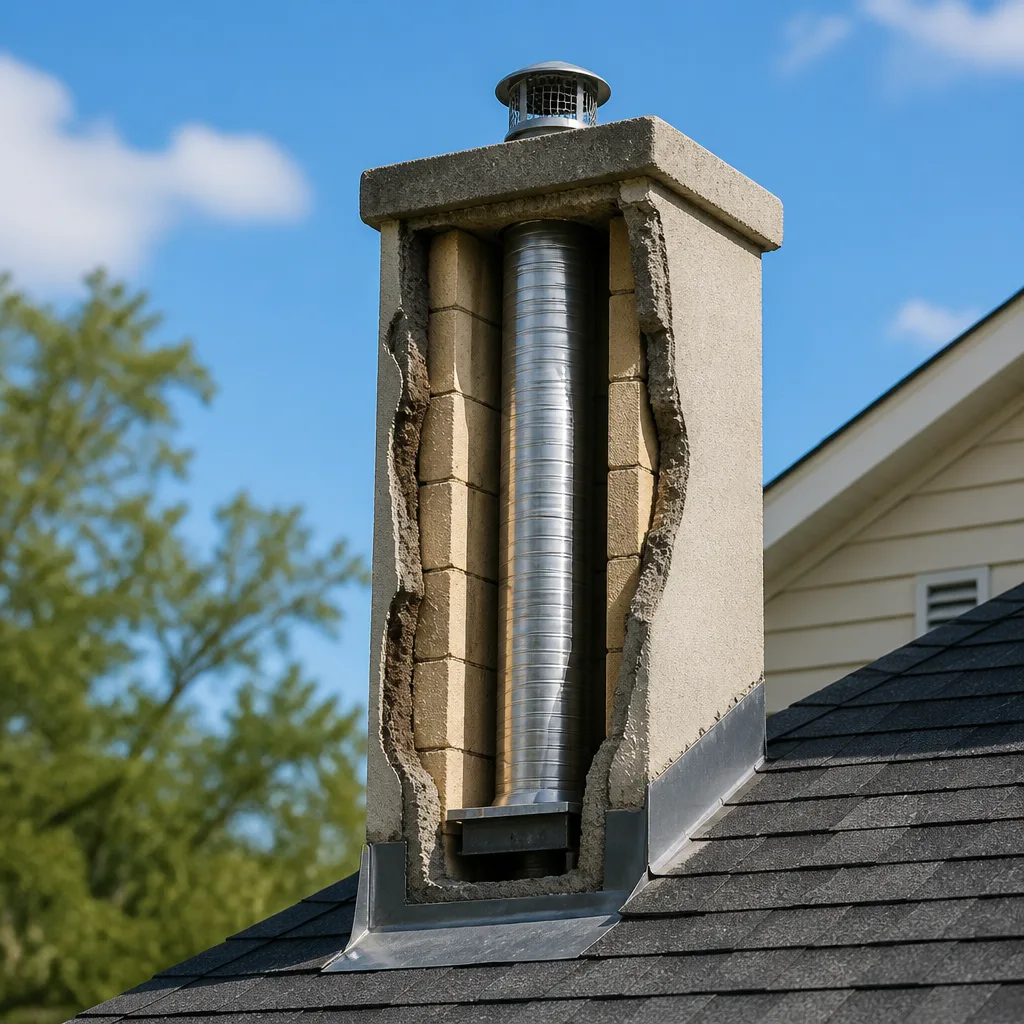
- Camera inspection of the flue interior. A waterproof camera run the full length of the flue, top to bottom, checking for cracked tile, gaps in mortar joints, or hidden damage. This is one of the things that separates a sweep from a real chimney service.
- Written report with photos. You get documentation of what was found, what was done, and what needs watching. This is your record. Discount operators hand you a receipt. We hand you a report.
When someone in Annapolis quotes you $79, they’re quoting line items one and two. Maybe. When the tech arrives, line items three through six become “additional services” that get added to the ticket. You end up paying what you would have paid the local operator anyway, except now you’re in a weak spot: the tech is already there, the ladder is already up, and you’re deciding in the moment whether to approve charges you never planned for.
The fix is simple. Ask one question before you book: “Does your price include the firebox, the smoke shelf, vacuum containment, and a camera inspection with a written report?” If the answer is anything except “yes, all of it, in writing,” you’re not comparing apples to apples. You can read more about Chimney Cleaning & Sweep in Annapolis to see what a complete scope looks like documented.
The Variables That Should Change Your Price
Not all chimneys are the same job. A fair price reflects the actual structure you own. Here are the legitimate variables, and roughly what they’re worth in the Annapolis market:
Flue height
A one-story ranch in Cape St. Claire has maybe a 15-foot flue. A three-story colonial in Murray Hill has a 35-foot flue. Brushing a 35-foot flue takes more rod sections, more time on the roof, and more physical effort. The added height is worth $40 to $80 on the ticket. It’s not a surcharge. It’s just a bigger job.
Number of flues
Some Annapolis homes have a single fireplace. Others have a fireplace plus a furnace flue, or two fireplaces on different levels, or a wood stove in the basement. Each additional flue is a separate brushing, a separate camera run, and a separate report. A second flue typically adds $100 to $140 to the total. If a company quotes you the same price for a two-flue house as a one-flue house, someone isn’t doing the math.
Liner material
Clay tile is the most common liner in Annapolis chimneys built before 1980. It brushes fine with standard tools. Stainless steel liners, like the DuraFlex systems we install, require gentler brush selection and a bit more care to avoid scratching. Parged or cast-in-place liners can be rougher internally and need extra passes. The material difference is worth $20 to $50 on the job. More importantly, different liners have different failure modes, and the camera inspection tells you which one you’re dealing with.
Degree of creosote buildup
First-degree creosote is a brush job. Third-degree is a glaze. We’ll get into this more below, but the short version: if a chimney hasn’t been cleaned in six years and the interior is coated with hardened, shiny creosote, the job takes longer, needs different tools, and costs more. That’s a legitimate variable. The condition of the chimney changes the labor required, and any honest price should reflect it.
None of these variables should be a mystery. You know how many flues you have. You know roughly how tall your house is. You know when it was last swept. A good operator asks these questions on the phone and gives you a real number before anyone drives out.
The Variables That Shouldn’t Change Your Price
Now for the other side of the ledger. These are the things that magically appear on a ticket after the tech has been in your house for 30 minutes. They shouldn’t. A properly scoped quote from a real operator accounts for them upfront.
What the tech “finds” once they’re already there. A standard cleaning is a standard cleaning. If the flue is dirty, you brush it. If there’s an animal nest at the base, you clear it. If there’s creosote buildup, you clean it. None of those discoveries justify a new line item. The only legitimate mid-job discovery is a structural problem: a cracked tile, a separated section of liner, a failed crown. Those are repairs, not cleaning charges, and they should be shown to you on camera before anyone quotes you a number.
Basic tools and supplies. Drop cloths, brushes, vacuums, rods, ladders. That’s what the base price is for. If a company charges a “tool fee” or a “supplies fee” on top of a cleaning quote, walk away.
Fuel charges or trip fees inside the service area. We don’t charge a trip fee for calls inside our county. It’s built into the price. Companies that add a $49 “mobilization fee” are just moving the price. Ask about this on the phone. If they won’t give you an all-in number before coming out, you’re not getting a quote, you’re getting a foot in the door.
One of the reasons we publish pricing the way we do is that hidden charges poison the whole trade. Wendell has been doing this since 1999, and the reputation of chimney sweeps in Annapolis matters to him because he runs into you at the hardware store on Saturday. A national call center doesn’t carry that same weight.
Annapolis Market Reality for 2026: Real Numbers
Here’s what the Annapolis market actually looks like in 2026, based on the jobs we see coming through our books and the written estimates homeowners bring us for second opinions:
- Single-flue standard cleaning with camera inspection, complete scope: $180 to $260 for most homes in Annapolis, Edgewater, and Arnold.
- Same job from a national franchise, after tech add-ons: $300 to $400, sometimes higher. The invoice always starts lower.
- Two-flue home (fireplace plus furnace flue), complete scope: $280 to $380.
- Heavy creosote glaze or long-neglected flue requiring extended brushing and chemical treatment: $350 to $500.
- Chimney that needs animal removal plus cleaning: $400 to $600, depending on what’s lodged in there and how long it takes to extract safely.
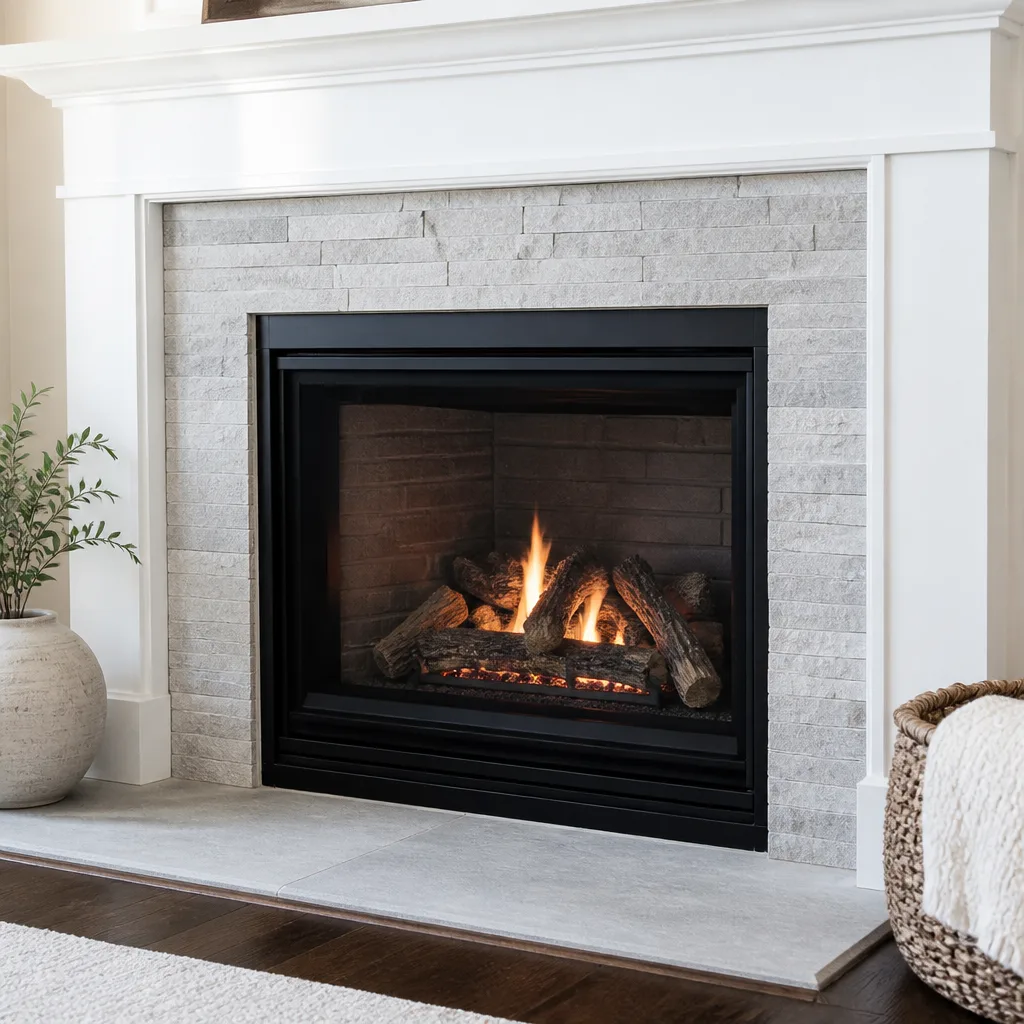
- Pre-fabricated or factory-built fireplace cleaning: $150 to $200. These are the metal zero-clearance units common in newer Annapolis construction.
Those are real ranges from real jobs. The floor sits around $150 for a simple pre-fab unit in a one-story home. The ceiling, for a two-flue masonry chimney with heavy glaze, sits around $500. Anything below the floor and you should ask what’s not included. Anything above the ceiling and you should ask for the written scope in detail.
Annapolis humidity affects chimneys in a specific way. Salt air off the Bay accelerates crown deterioration and rust on older metal components. That’s not something a tech in a call center in Ohio thinks about. It’s something the sweep who works here sees every week in the fall. It’s one more reason the local price can run a few dollars higher than a national ad rate: you’re paying for someone who knows what the Chesapeake climate does to masonry.
How the 90-Day Guarantee Functions as Cost Protection
Most people think of a service guarantee as a satisfaction nice-to-have. It’s actually a pricing mechanism. Here’s how:
When a company knows it will be accountable for the quality of the work for 90 days after the job, it has a financial incentive to do the job right the first time. No callback trucks, no re-cleaning on the company’s dime, no damage claims. That discipline gets built into the quoted price. A company with no guarantee, or one that won’t put it in writing, can quote lower because it doesn’t plan to be responsible for what happens after the truck leaves.
Our 90-Day Done Right Promise works like this: if the work isn’t right, one call brings Wendell back to make it right at no additional cost. It’s not a marketing slogan. It’s stamped in writing on every single job. The coverage includes the cleaning itself, meaning if creosote falls into your firebox a week later or the smoke draw still isn’t right, we come back. It does not cover new damage that wasn’t present at the time of the job, and it doesn’t cover repairs that were recommended in the written report and declined. The promise is honest, but it’s not infinite.
What’s genuinely useful for you: the absence of a written guarantee from a quote is itself pricing information. It tells you the operator doesn’t plan to stand behind the work. That’s worth something on the invoice, even if it doesn’t show up as a line item.
Creosote Levels and What They Mean for Your Bill
Not all chimney dirt is the same. The difference between creosote stages is the single biggest legitimate cost variable in the Annapolis market, and most homeowners have never heard it explained clearly. Here it is:
- First-degree creosote: A fine, dusty, brown or gray coating. This is what normal burning produces over one season. Brushes off easily with standard equipment. No additional charge.
- Second-degree creosote: Flaky, crusty deposits that look like dark cornflakes. Primarily found in chimneys that haven’t been cleaned in two or three seasons, or that burn a lot of unseasoned wood. Adds 20 to 30 minutes of brushing. Small upcharge, usually $25 to $40.
- Third-degree creosote: A hardened, shiny, tar-like glaze. This is what happens when second-degree creosote gets baked by a hot chimney fire and fuses to the flue wall. A brush won’t take it off. It requires chemical treatment, rotary cleaning tools, and sometimes multiple visits. This is a $100 to $200 upcharge at minimum, and it means the chimney has already been through at least one significant heat event.
The important thing to understand: once you’ve hit third-degree creosote, the chimney has already experienced enough heat to cause damage. The glaze is a symptom. The camera inspection after cleaning is where you find out whether the tile behind that glaze is still intact. Sometimes it is. Sometimes it isn’t. That’s the moment where cleaning turns into Chimney Repair in Annapolis. First-degree creosote is a brush job. Third-degree is a glaze. Catch it early and you never have to learn the difference from inside your own home.
Questions to Ask Before You Book
Ask these five questions on the phone, before you agree to anything. They’ll tell you more about the price than the price itself will:
- “Is this the all-in price, including firebox, smoke shelf, vacuum containment, and camera inspection?” If they hesitate, the quote is a starting point, not a price.
- “Will I get a written report with photos from the camera run?” If no, there’s no accountability for what’s actually inside your flue. You’re buying labor without documentation.
- “Is there a trip charge or service fee in addition to the cleaning price?” Inside your county, the answer should be no. We don’t charge a trip fee, full stop.
- “What happens if you find damage during the cleaning?” The right answer: we’ll show you on camera, explain what it means, and give you a written estimate for the repair. No pressure. No same-day hard sell. The wrong answer: a vague “we’ll take care of you.”
- “Is the guarantee in writing, and what does it cover?” If the guarantee is verbal, the guarantee doesn’t exist. You have no leverage without paper.
These questions take 90 seconds. They save you more than that $79 special ever will.
Common Mistakes to Avoid
- Comparing two quotes without comparing scope. A $99 quote and a $260 quote for the “same” cleaning aren’t the same job. Ask about the line items before you compare numbers. This is the mistake that costs Annapolis homeowners the most money.
- Booking the first available tech during peak season. Everyone wants their chimney swept in October. The good operators in Annapolis are booked weeks out. The ones with immediate availability during peak season often have it for a reason. Book in August or September.
- Declining the camera inspection because it costs extra. The camera is the only way to see what’s happening inside a 15-foot masonry flue. Skipping it to save $40 is like buying glasses without an eye exam. You’ll spend more later.
- Believing a chimney that isn’t used doesn’t need service. Once a year, burn or no burn. Chimneys break in the off-season too. Moisture, freeze-thaw cycles, and animal intrusion don’t care whether you lit a fire last winter.
- Hiring someone without a published local address or license number. If you can’t verify who’s coming to your house, you’re rolling dice. Wendell puts his name on the work and runs into you again at the grocery store. That’s the standard you want.
- Burning unseasoned wood or pine in a fireplace with heavy creosote already present. This turns a second-degree situation into a third-degree glaze. Seasoned hardwood only. If you’re not sure what you’re burning, we can tell you what it’s doing to your flue.
- Ignoring small repairs because “the cleaning went fine.” A cracked tile or rusted damper doesn’t fix itself. Small problems become big invoices. The report we hand you after a cleaning exists so you have the information to act. Use it.
When to Call a Professional
If you’re seeing black flakes in the firebox after a burn, hearing an odor when the fireplace isn’t in use, noticing smoke rolling into the room instead of up the flue, or you simply can’t remember when the chimney was last swept, it’s time. Waiting costs more than cleaning. If you see a shiny, tar-like coating inside the flue when you shine a flashlight up, that’s third-degree creosote, and it needs professional attention before your next fire. None of these situations respond to store-bought creosote logs in any meaningful way. Top Hat Chimney home has been serving Annapolis since 1999, and we offer free estimates. Call (240) 851-3653.
Frequently Asked Questions
A complete single-flue chimney cleaning with camera inspection in Annapolis runs $180 to $260 from a legitimate local operator in 2026. Two-flue homes run $280 to $380. Pre-fabricated fireplace units run $150 to $200. National franchises often advertise $79 to $99 and then add charges for the firebox, smoke shelf, vacuum containment, and inspection once a tech arrives, typically ending up between $300 and $400 all-in. Call (240) 851-3653 for an exact quote on your specific home. Estimates are free.
Once a year, burn or no burn. The National Fire Protection Association standard is annual inspection and cleaning as needed, and in the Annapolis climate, with our high humidity and seasonal temperature swings, annual is the safe minimum. Chimneys break in the off-season too. Moisture penetration, animal intrusion, and deterioration happen whether you use the fireplace or not. If you burn more than two cords of wood per season, you may need a mid-season cleaning as well.
Maybe real, maybe an upsell. The answer is in the camera footage. A cracked clay tile, a separated joint, or rust-through on a metal liner is visible on camera and means the liner is compromised. If a company can’t show you the damage on camera, don’t approve the liner. We install HeatShield, DuraFlex, and Copperfield liner systems, and every liner recommendation we make comes with footage you can see for yourself and a plain-English explanation of what it means. If we tell you a liner is fine, that’s also true. Not every liner replacement quote is honest.
A proper cleaning includes floor protection, mechanical brushing of the full flue, vacuum containment throughout, clearing of the firebox and smoke shelf, camera inspection of the flue interior, and a written report with photos. That’s six components. Discount operators drop three or four of them to get the advertised price low. Always ask whether the firebox, smoke shelf, vacuum, and camera inspection are included in the quoted price. If they’re not, you’re not comparing the same job.
Not if they’re doing it right. Vacuum containment is the key. A HEPA-rated vacuum runs the entire time the brush moves, catching dust at the source. With the proper setup, the cleaning produces no visible dust in your living room. Without it, fine creosote powder settles on everything. Ask specifically about vacuum containment before you book. It’s one of the most commonly skipped line items in discount cleaning jobs.
You can physically buy the brushes and rods at a hardware store. But a cleaning without a camera inspection is only half the job, and climbing onto an Annapolis roof with rods and a brush is genuinely dangerous work that’s better left to someone with the right equipment and insurance. You also won’t see the cracked tile or compromised mortar joint that the camera catches. If you want the homeowner’s version, inspect the firebox and the first few feet of flue with a flashlight every month during burning season, and leave the full job to the sweep. We’ll show you Fireplace Services in Annapolis that go beyond the basic sweep if your unit needs more than a brushing.
No. We don’t charge a trip fee for calls inside our county, and estimates are free. The price you hear on the phone is the number on the invoice. Wendell has been running Top Hat Chimney home this way since 1999, and it’s not changing. If you have a written estimate from another company, we’ll give you a free second opinion on it. Sometimes the second opinion is “that’s a fair price, take it.” We’ll tell you the truth either way.
The Bottom Line
Chimney cleaning prices in Annapolis vary because companies are quoting for different scopes of work while using the same words. A complete single-flue cleaning with camera inspection from a legitimate local operator in 2026 runs $180 to $260. The $79 special is a door opener, not a price. The $500 quote is a red flag unless you have a two-flue chimney with heavy glaze. Ask about the six line items, demand the camera footage and a written report, get the guarantee in writing, and you’ll never overpay a chimney sweep in Annapolis again. Wendell has been doing this since 1999. Ask anyone on your street.
Call Top Hat Chimney home at (240) 851-3653 for a free estimate, or read more about Chimney Cleaning & Sweep in Annapolis and Chimney Repair in Annapolis.
Written by Wendell Pike, Owner at Top Hat Chimney, serving Annapolis since 1999.