
Last updated September 11, 2026
Level 1 sweep and inspection to the NFPA 211 annual standard - flue, crown, cap, and flashing checked and photographed
Chimney sweep logs do not sweep chimneys. They loosen some creosote - which then falls where a brush and vacuum still have to collect it.


 Before
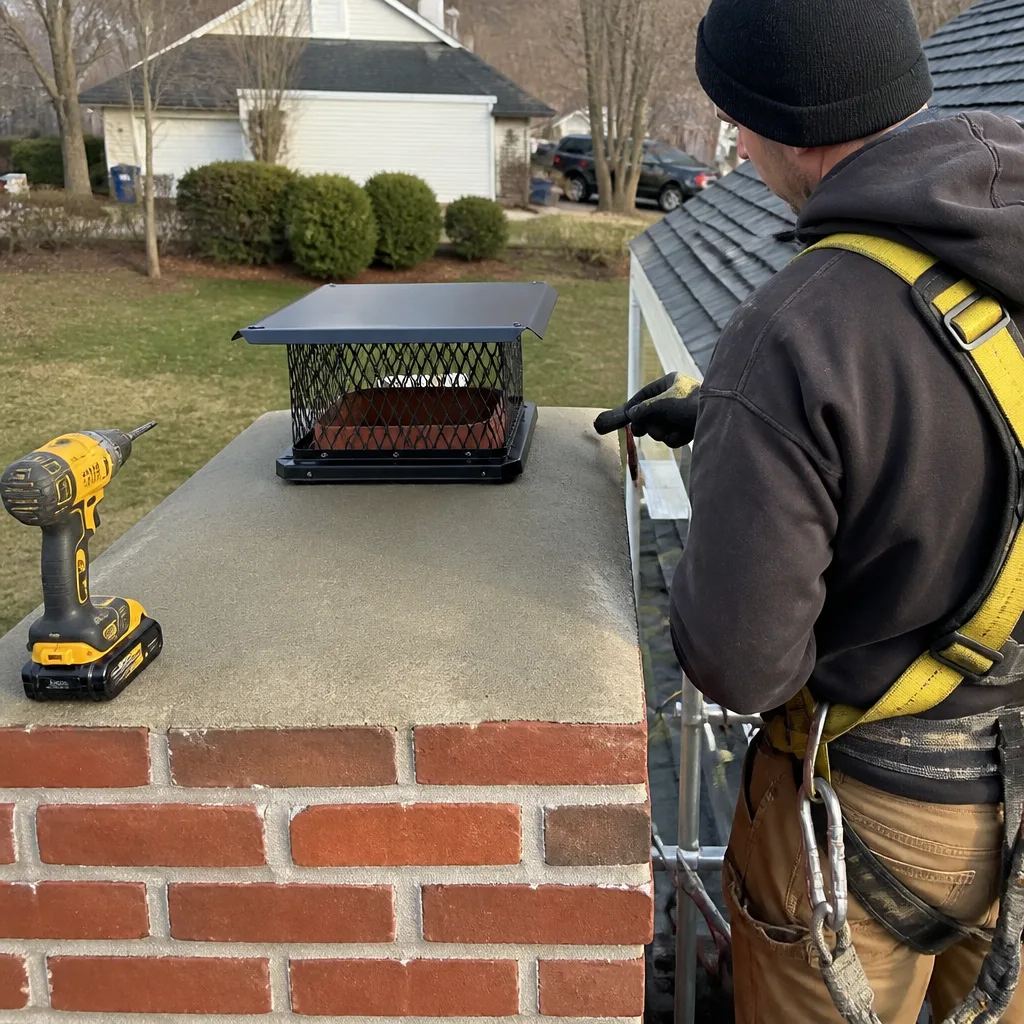 After
After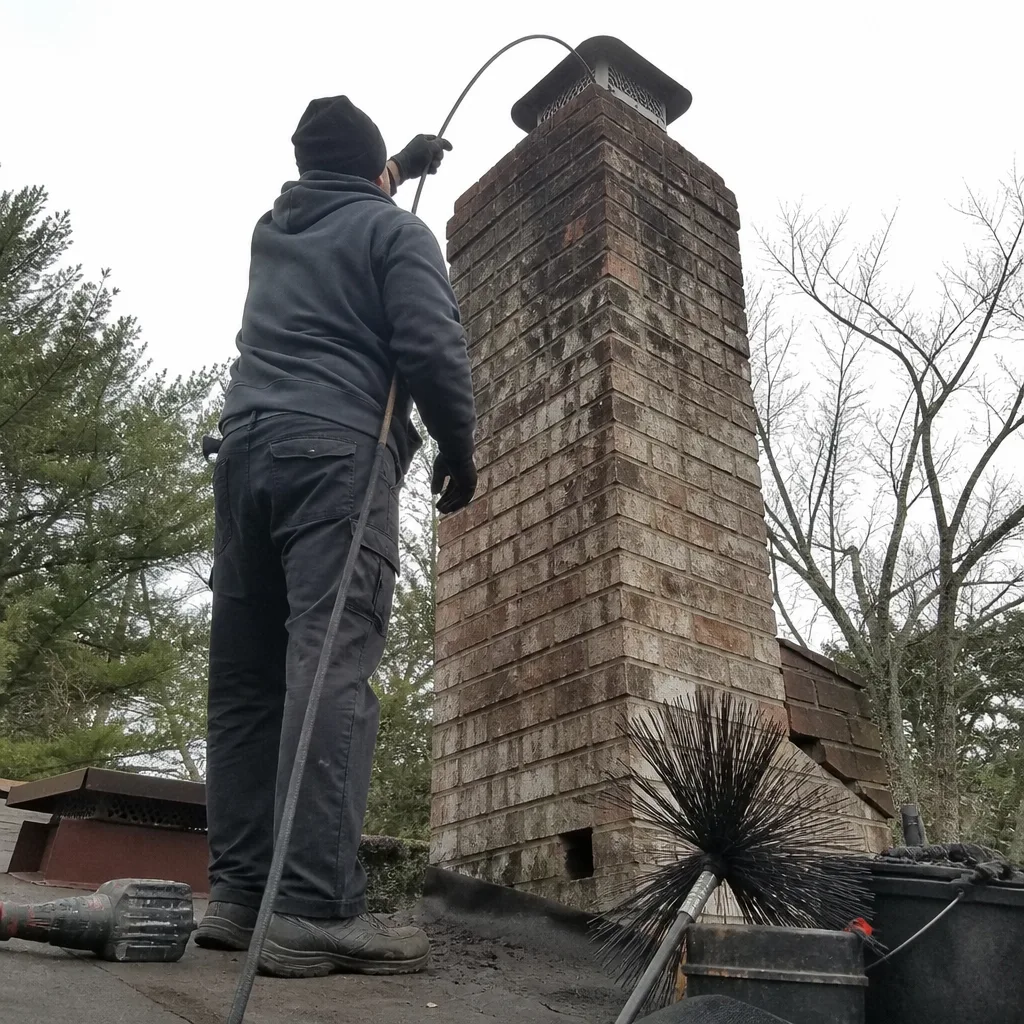 Before
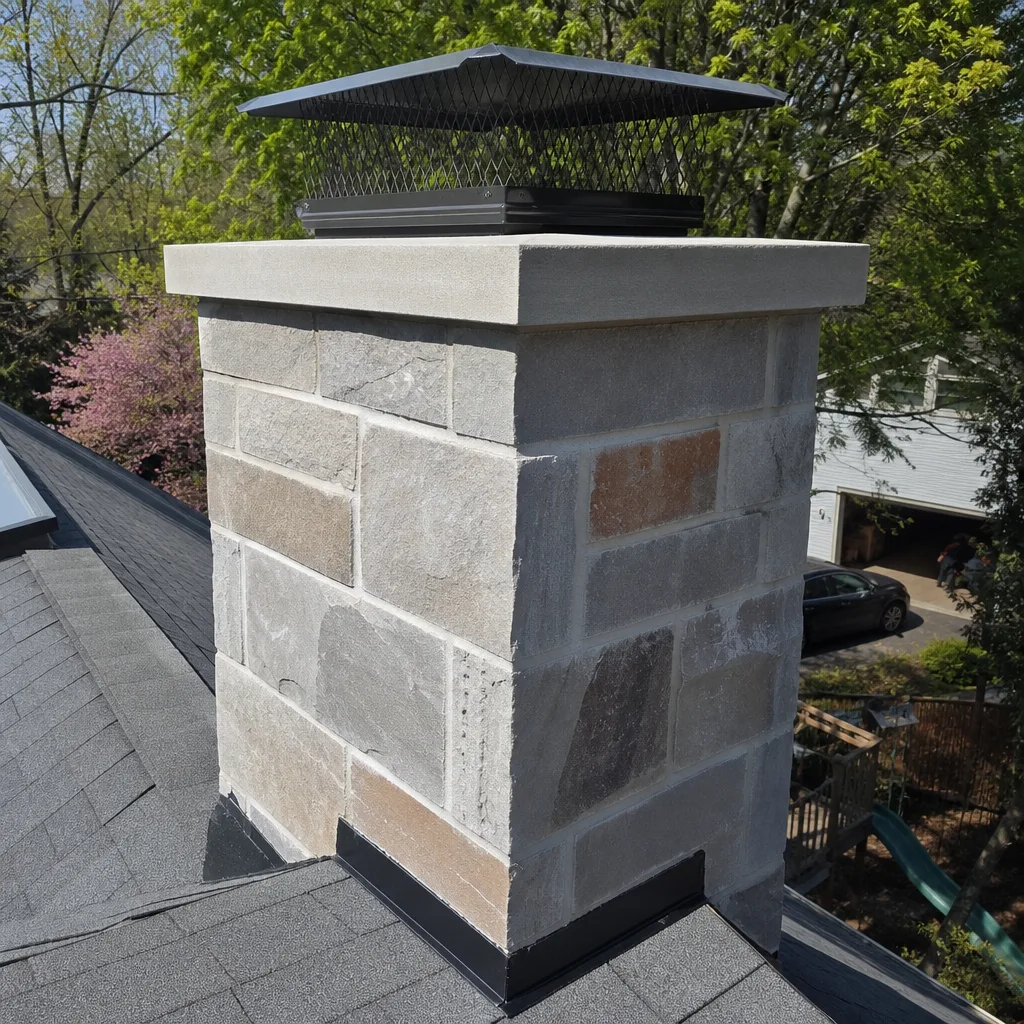 After
After Before
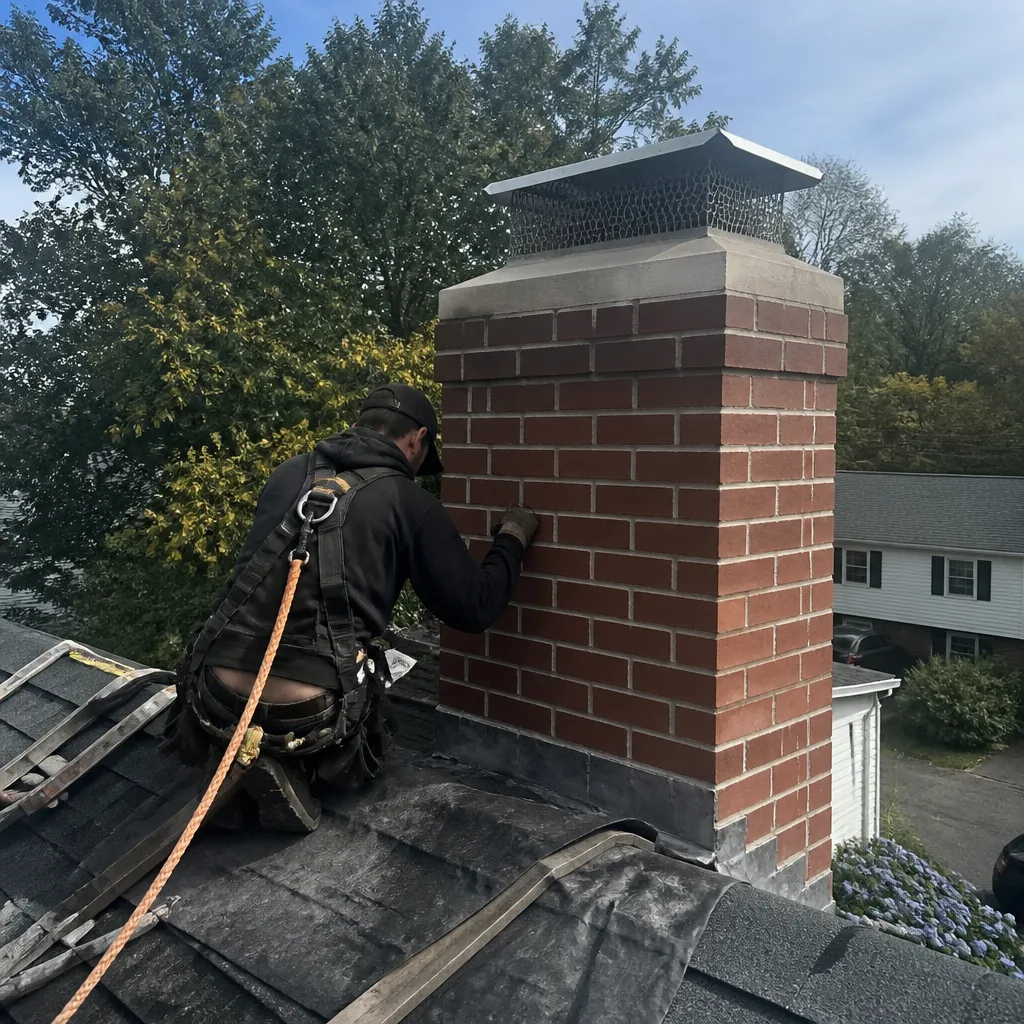 After
AfterChimney Cleaning & Sweep Maintenance Checklist for Annapolis Homeowners
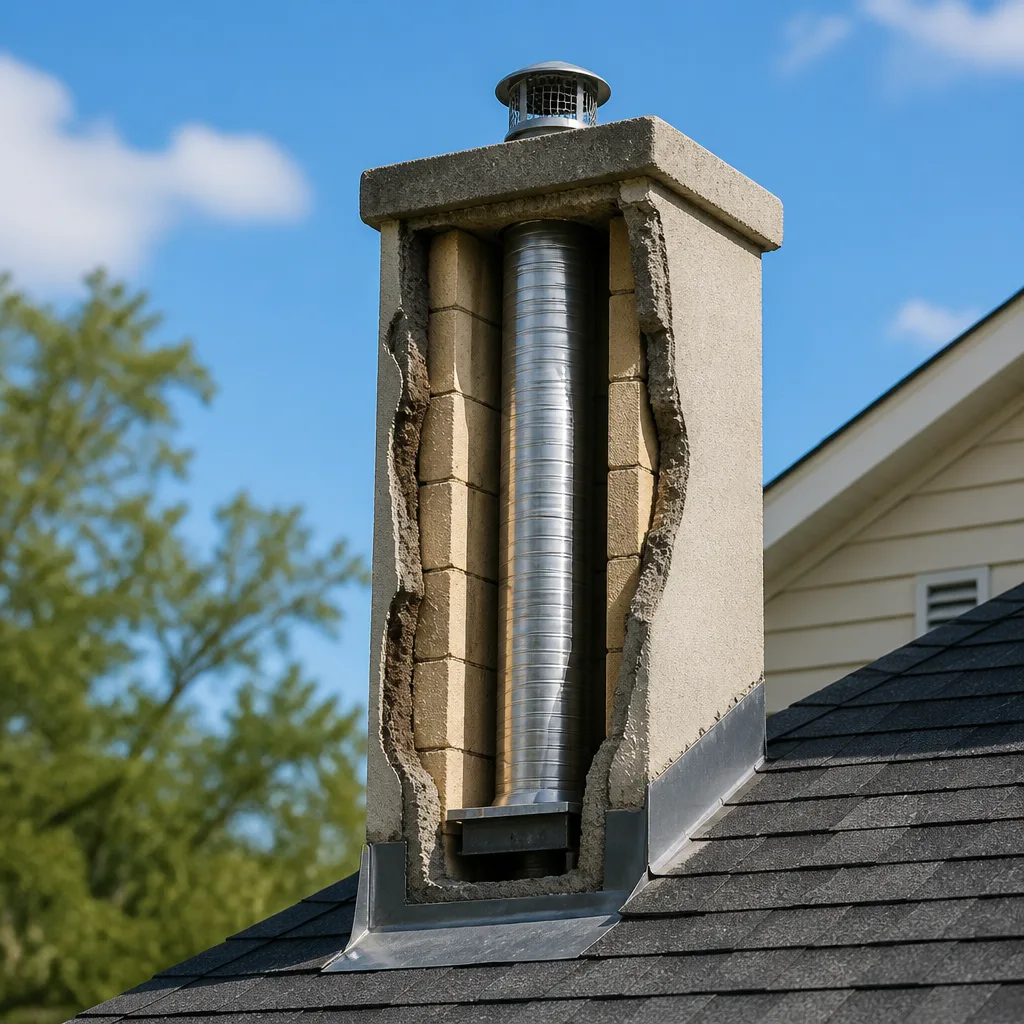
The most common thing Wendell finds on a first visit to a house that “passed” a homeowner’s own inspection is a cracked clay tile liner that looks fine from the firebox opening but has a fist-sized gap two-thirds of the way up. You cannot see it without a camera drop. This guide is built on that reality. We’re going to walk you through what you can actually check from the ground and from your hearth, what requires a trained eye and a chimney camera, and the seasonal timing that matters for Annapolis specifically. By the end, you’ll have a checklist that separates the three or four things that genuinely matter before you light the first fire from the busywork that won’t change a thing.
Quick Answer
A Chimney Cleaning & Sweep maintenance checklist for Annapolis homeowners comes down to this: check the cap, crown, flashing, and firebox yourself every September, schedule a professional sweep and camera inspection once a year regardless of how often you burn, and document everything with photos so you have a baseline when someone tells you something has changed. Most problems we find in Annapolis chimneys are invisible from the hearth and take a camera to see.
Table of Contents
- Why Annapolis Chimneys Need Their Own Checklist
- What a Homeowner Can Actually Check (and What You Can’t)
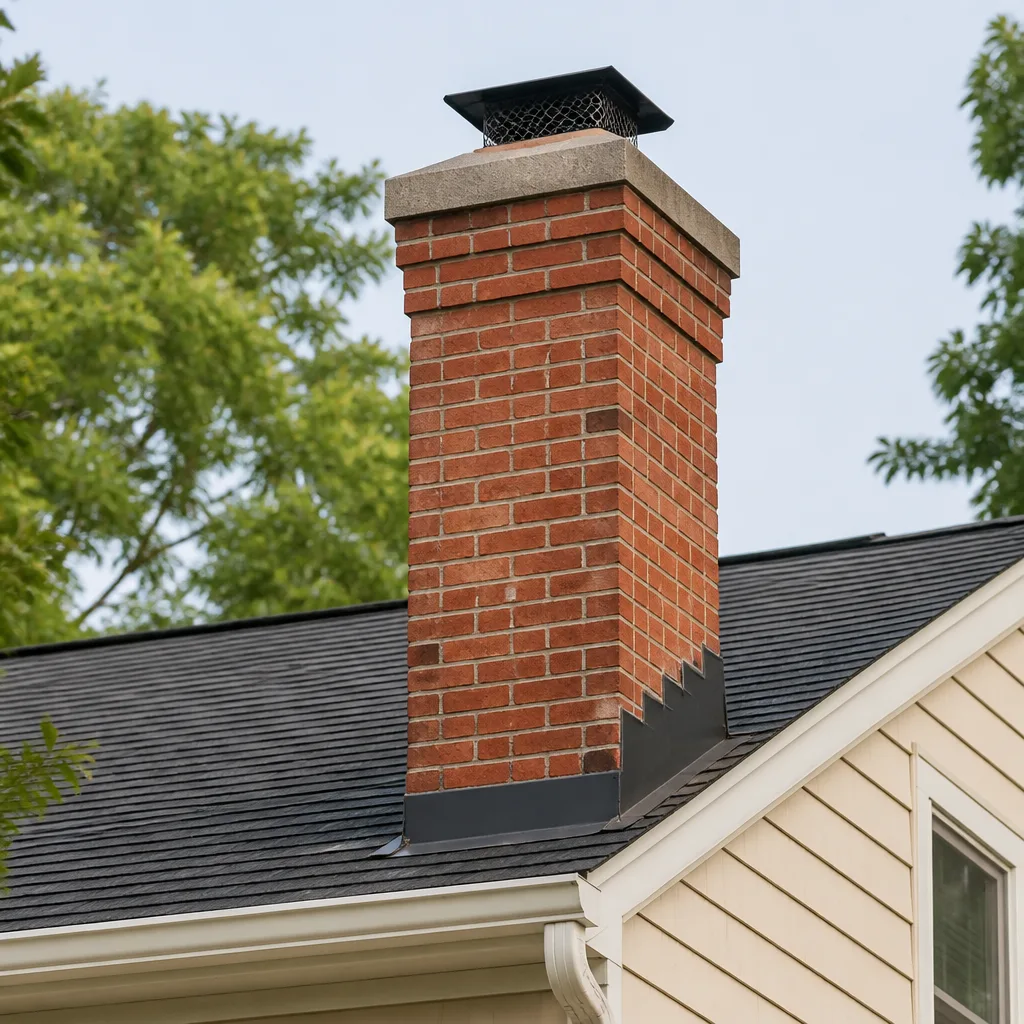
- The Five Exterior Checks That Catch Most Problems
- The Smoke Test: What It Tells You That Your Eyes Can’t
- Annapolis Seasonal Timing: September vs. February
- Documenting Your Chimney Year Over Year
- How Often Should You Actually Sweep a Chimney in Annapolis?
- What a Proper Chimney Cleaning in Annapolis Actually Includes
Why Annapolis Chimneys Need Their Own Checklist
Annapolis sits on the Chesapeake Bay, which means humid summers, salt air, and freeze-thaw cycles that punish masonry differently than inland Maryland. A chimney in Annapolis absorbs moisture from August humidity, then gets hit with January cold snaps that freeze that moisture inside the brick and mortar. The expansion cracks joints, spalls brick faces, and opens gaps in crowns. We’ve pulled crown pieces off Annapolis chimneys that looked like jigsaw puzzles because water had been freezing and thawing in them for a decade. Your flue doesn’t care how the fire looks. It cares how it breathes.
The checklists you find on general home maintenance sites-and even some of our own more guides & resources-were written for a national audience. They tell you to “inspect the chimney” without telling you what you’re looking at or why it matters in a coastal climate. Here’s the Annapolis-specific version. The humidity in September means creosote that formed last winter has had a damp summer to sit in the flue. Damp creosote turns acidic. Acidic creosote eats mortar joints. By the time you light your first fire in October, that flue may have degraded more over the summer than it did all winter. Once a year, burn or no burn. Chimneys break in the off-season too.
We also deal with a lot of older homes in the Annapolis area. Historic districts like Murray Hill and the homes around West Street and along Spa Creek have chimneys that predate modern liner standards. Those chimneys were built for different fuels and different fire behavior. A checklist for a house built in 1920 isn’t the same as one for a house built in 2005. The age of your home changes what you’re looking for. We’ll get into that.
What a Homeowner Can Actually Check (and What You Can’t)
Here’s the honest line. There are things you can meaningfully inspect from your living room and your yard, and there are things that require a professional chimney camera because they happen in places you cannot physically see. No amount of squinting up the flue with a flashlight will show you a cracked clay tile twenty feet above your firebox. No amount of tapping on the hearth will tell you whether your liner has a hairline crack that’s been leaking carbon monoxide into your wall cavities. This section draws the line clearly so you’re not wasting a Saturday on false confidence.
What you can check yourself (and should)
- The cap and screen from the ground. You can see if the cap is missing, rusted through, or tilted. You can see if the screen is clogged with leaves or squirrel nesting material.
- The crown from the ground or an upstairs window. You can see cracks, missing pieces, or standing water stains.
- The flashing where the chimney meets the roof. You can see rust, lifted edges, or gaps where caulk has failed.
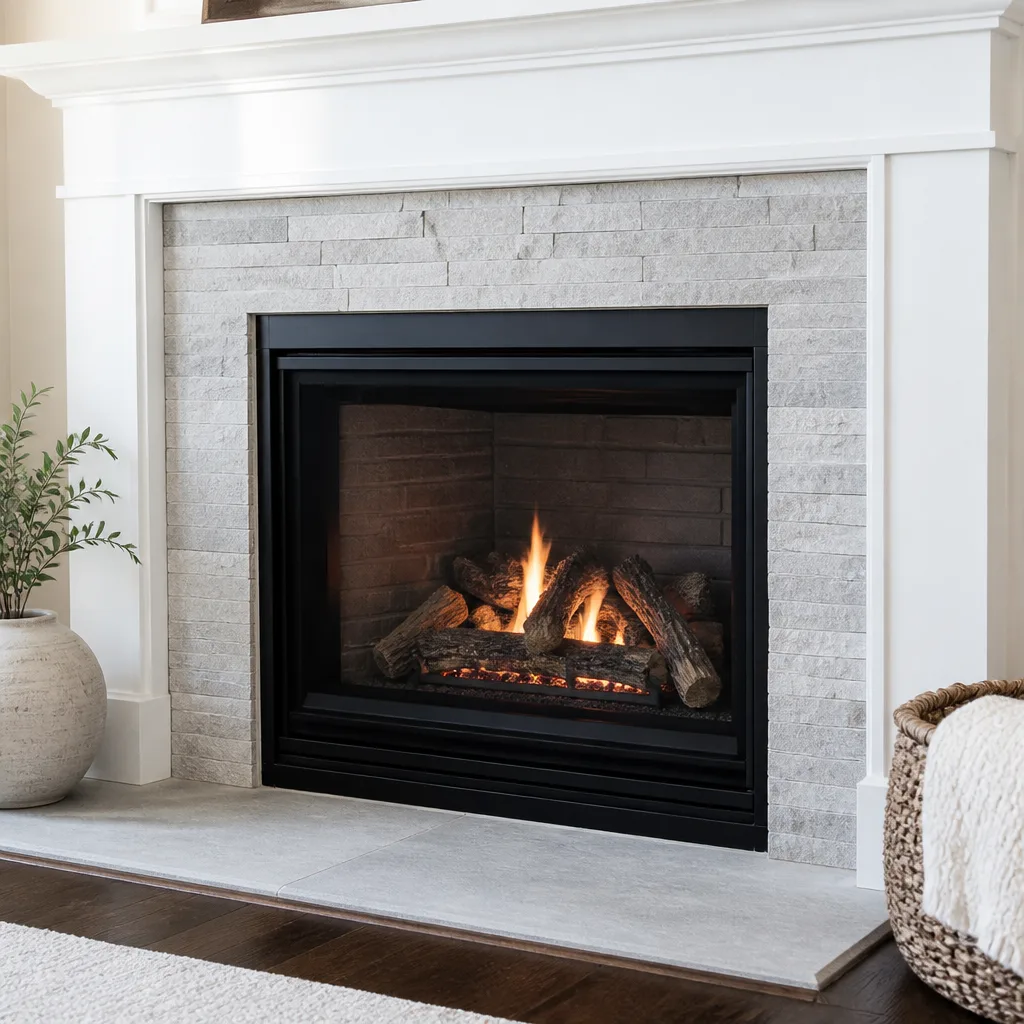
- The firebox and damper. You can see cracked firebrick, rusted damper plates, or debris that has fallen down the flue.
- Smoke behavior in the room. You can tell if smoke rolls back into the house instead of drawing up the flue.
- Signs of moisture inside. You can see water stains on the ceiling near the chimney, peeling wallpaper, or a damp smell in the firebox after rain.
What requires a professional with a camera
- Liner condition above the firebox. Clay tile liners crack, shift, and separate. You cannot see this without a camera drop. In our experience, the majority of “fine-looking” chimneys in Annapolis have some degree of liner damage visible only on camera.
- Creosote thickness and grade. First-degree creosote is a brush job. Third-degree is a glaze. You can’t tell the difference by looking up from the hearth. The camera shows it, and the sweep’s tools respond differently to each grade.
- Flue obstructions above the damper. Bird nests, squirrel nests, and leaf accumulations often sit in the middle third of the flue, invisible from below and partially hidden from above by the cap.
- Mortar joint condition along the full flue length. Acidic creosote eats mortar from the inside. Without a camera, you won’t know until pieces start falling into the firebox.
- Clearance to combustibles in the attic. The portion of the chimney that runs through your attic is hidden from view. Older Annapolis homes frequently have framing too close to the flue. A camera can document the clearances.
The goal of this Chimney Cleaning & Sweep in Annapolis checklist is not to make you dependent on a professional for everything. It’s to give you confidence about what you can see and clear-eyed honesty about what you can’t. The two-column format keeps you from false confidence and from unnecessary dependency at the same time.
The Five Exterior Checks That Catch Most Problems
Ten minutes of your time, a pair of binoculars if you have them, and a good angle from the yard. These five exterior checks catch the majority of early moisture problems before they become four-figure repairs. Do this in September before burning season starts, and again in April after the winter freeze-thaw cycle.
- Check the cap. Is it there? Is it straight? Is the mesh screen intact? A missing or damaged cap lets rain, birds, and squirrels into the flue. Squirrels in Annapolis love an uncapped chimney. We’ve pulled nests out of flues that filled two five-gallon buckets. A cap also keeps embers from escaping onto your roof or your neighbor’s. If the cap is missing or the screen is torn, that’s the number-one call to make.
- Check the crown. The crown is the concrete slab that caps the top of the masonry. It should slope away from the flue so water runs off. Look for cracks, chips, or pieces missing along the edge. In Annapolis, freeze-thaw cycles open small cracks into big ones in one or two winters. A crown crack is like a leak in a roof: small now, destructive later.
- Check the flashing. Flashing is the metal that seals the seam where the chimney meets the roofline. Look for rust, lifted edges, gaps, or old caulk that’s curled and separated. Water that gets behind flashing doesn’t just damage the chimney. It travels down the roof sheathing and shows up as a ceiling stain in a room far from the fireplace.
- Check the brick and mortar from the ground. Look for white staining, which is efflorescence. That’s salt being pushed out of the brick by water moving through it. It’s a sign of moisture penetration, not just a cosmetic issue. Also look for missing mortar joints, cracked bricks, or bulging brick faces. Spalling, where the face of a brick pops off, is accelerated in Annapolis by salt air and freeze-thaw cycles.
- Check for staining below the roofline. Dark streaks running down the brick from the top mean water is moving through the masonry from above. That water is coming from a crown problem, a flashing problem, or a masonry absorption problem. The streaks themselves tell you where the water exits, not where it enters. A pro with a moisture meter can find the entry point.
If all five look clean, you’re in good shape on the exterior. If any two of them have problems, call for a closer look. We offer no trip charge inside the county for chimney evaluations, and the Chimney Repair in Annapolis team will tell you plainly whether the issue is urgent or can wait.
The Smoke Test: What It Tells You That Your Eyes Can’t
A visual inspection shows you what a chimney looks like. A smoke test shows you how it actually draws. Those are different things. A flue can look spotless and still fail to pull smoke up and out because of a drafting problem, a negative pressure issue in the house, or a partial obstruction that changes airflow in ways you can’t see. Here’s how to do a basic version yourself, and what to do with the results.
How to run a basic smoke test yourself
- Pick the right day. Cold weather helps drafting. Warm humid Annapolis days don’t. If you test on a warm September afternoon and get poor draw, it may be the weather as much as the chimney. But do the test anyway, and note the conditions.
- Close the house up first. Close windows and doors, turn off exhaust fans, bathroom fans, and the kitchen hood. This is the worst-case scenario for drafting, which is exactly what you want to test. If it draws well when everything is closed, it will draw well when things are open.
- Open the damper fully. Make sure it’s open all the way before you start.
- Light a rolled piece of newspaper. Hold it inside the firebox near the damper opening. Don’t light a fire. You’re testing draft, not building heat. Watch where the smoke goes.
- Watch the first thirty seconds. It can take a minute for a cold flue to establish draft. If smoke initially rolls into the room and then catches and goes up, note that. If smoke continues rolling into the room after a minute, you have a drafting problem.
- Repeat with a smoke source at the firebox opening. A lit cigarette, a smoldering match held at the opening of the firebox, or a dedicated smoke pen will show you whether air is moving up the flue or spilling into the room.
What the results mean
- Smoke draws up immediately and steadily. The flue is open and drafting. This is what you want.
- Smoke rolls into the room for more than a minute. You have a drafting problem. Causes include a cold flue, a partial blockage, a damper that isn’t fully open, or negative pressure in the house. This is when the camera comes out.
- Smoke draws up but is slow and thin. The flue may be restricted by creosote buildup or a partial obstruction. A sweep can measure the actual airflow and check with the camera.
- Smoke goes up the flue but then comes back down into the room slowly. That can indicate a flue that’s too large for the appliance or fire it’s serving, or a house that’s too tight. This is a discussion worth having with someone who understands both chimneys and the houses they’re in.
A real smoke test with a proper smoke generator can show more: leaks in the flue that let smoke escape into wall cavities, or issues with the connection between a stove and the liner. That’s a different tool than rolled newspaper. But your basic version is a solid first check. In our experience, most Annapolis homeowners have never done one, and about half of the ones who do discover something they didn’t know about their chimney.
Annapolis Seasonal Timing: September vs. February
The same chimney can look very different in September than it does in February, and we’re not talking about the weather outside. Annapolis’s seasonal cycle means the checklist changes depending on when you’re doing it.
September: the pre-season check
September is when you’re getting ready for burning season. The humidity of an Annapolis summer means any creosote in the flue has been sitting in damp air for three or four months. Damp creosote is more acidic than dry creosote. It’s also stickier. A flue that would have brushed clean in March may need more work in September because the creosote has set up. If you burned regularly last winter and never had the flue swept, September is not the month to skip it. We also see more animal activity in September. Squirrels and raccoons are looking for winter housing, and an uncapped or poorly capped flue is an open door. Check the cap before you light anything.
September checklist priority: cap condition, smoke test, camera inspection if you haven’t had one in the last year, moisture check on the exterior.
February: the mid-season check
February is a different animal. You’ve been burning steadily. Freeze-thaw cycles have been working on the masonry for the whole winter. February is when you check for new cracks in the crown, new efflorescence on the brick, and new moisture stains inside. It’s also when the creosote load has been building for months. A chimney that was clean in September may have a half-inch of creosote by February, depending on what you burn and how hot your fires are. If you notice smoke behavior changing, don’t wait until spring. And a February chimney fire is not a joke. If you hear a loud roaring sound from the flue, see flames from the top of the chimney, or smell hot creosote, that’s a fire in the flue. Call the fire department first.
February checklist priority: creosote accumulation, draft quality, smoke behavior, signs of water penetration from the winter.
The Annapolis-specific lesson is this: the shoreline moderates some temperature swings but adds humidity. Your chimney lives in a marine environment. It’s not Chicago. It’s not Phoenix. The checklist should reflect where the house actually is.
Documenting Your Chimney Year Over Year
The most valuable habit you can build as an Annapolis homeowner is a simple photo log of your chimney. Here’s why. When a sweep tells you that your crown has cracked since last year, you’ll know whether that’s true if you have last year’s photo. When a liner replacement quote references deterioration you can’t see, your own photo history becomes the baseline for the conversation. We have looked at chimneys for homeowners who have lived in the same Annapolis house for twenty years and have no documentation of what the chimney looked like at any point. They’re working blind. You don’t have to.
What to document, and when
- Exterior photos, twice a year. Stand in the same spot in the yard each time. Take photos of the cap, the crown, the flashing, and the full chimney from the same angle. September and April are the right months for Annapolis.
- Firebox photos, once a season. Look inside with a flashlight. Photograph the firebrick, the damper, and any debris. Note the date.
- Camera inspection footage, every time you have one done. Ask for a copy of the video or at minimum the still captures. We provide camera footage and a plain-English verdict on every inspection, every time, no exceptions. Save those files with a date.
- Repair records, years at a time. Keep the quotes, invoices, and any before-and-after photos from repairs. When someone asks about the history of your liner, you’ll have the answer.
- Notes on burn behavior. If smoke starts rolling into the room when it didn’t before, write that down with the date. If the damper gets sticky, note it. These small observations are the early warnings.
This habit takes fifteen minutes a year. It turns a vague conversation about “your chimney’s condition” into a specific conversation about what’s actually changed. And it eliminates the most common vulnerability a homeowner has: being told something has deteriorated with no way to verify it. We’ll say plainly when work can safely wait. Your own records let you verify it for yourself.
How Often Should You Actually Sweep a Chimney in Annapolis?
The honest answer for Annapolis is once a year, regardless of how often you burn. The National Fire Protection Association says a chimney should be swept when there’s 1/8″ of creosote buildup or “when necessary.” Here’s what that means in practice for the homes we service.
The annual sweep is the baseline
Once a year, burn or no burn. Here’s why. Creosote doesn’t stop forming because you didn’t burn. The off-season humidity in Annapolis actually accelerates the chemical changes in old creosote. Birds and squirrels move in. Chimney swifts nest in the flue in the spring. Cap screens corrode from salt air. An annual sweep and camera check catches these things in the same visit. If you burn wood fires for heat more than two or three days a week through the winter, you may need two sweeps a season. If you only burn occasionally, once a year is your floor, not your ceiling.
What changes the frequency
- Wood type. Burning green wood or softwoods like pine creates creosote faster. Burning dry hardwoods builds it slower. If you’re burning whatever the tree guy dropped off, you’re building creosote faster than you think.
- Fire style. Slow, smoldering fires create more creosote than hot, vigorous fires. If you keep a fire going low overnight, you’re building more creosote than someone who burns hot and lets it go out.
- Appliance type. Open fireplaces build creosote differently than wood stoves and inserts. Stoves burn more efficiently but still produce creosote, particularly at the top of the flue where the gases cool.
- Chimney type. Unlined chimneys and chimneys with old clay tile liners build creosote faster than chimneys with insulated stainless liners. If you have an older Annapolis home with an original clay liner, once a year is a minimum.
Here’s a simple table for Annapolis homeowners:
| How You Burn | Suggested Sweep Frequency | Why |
|---|---|---|
| Never (decorative only) | Once a year | Off-season moisture, animal entry, and cap deterioration still happen |
| Occasionally (1-2 fires a month in winter) | Once a year before burning season | Light creosote buildup plus off-season changes |
| Regularly (2-3 fires a week in winter) | Twice a year (September and January) | Creosote builds faster than an annual sweep removes it |
| Heavy (daily burns for heat) | Twice a year minimum, monitor with camera | Creosote can reach dangerous thickness in weeks at high burn rates |
What a Proper Chimney Cleaning in Annapolis Actually Includes
If you’re going to pay for a chimney cleaning, you should know what “done right” means. Here’s what a proper sweep from Top Hat Chimney includes, and what separates it from the guy with a brush and a van who quotes one price on the phone and a different one at the door.
The sweep itself
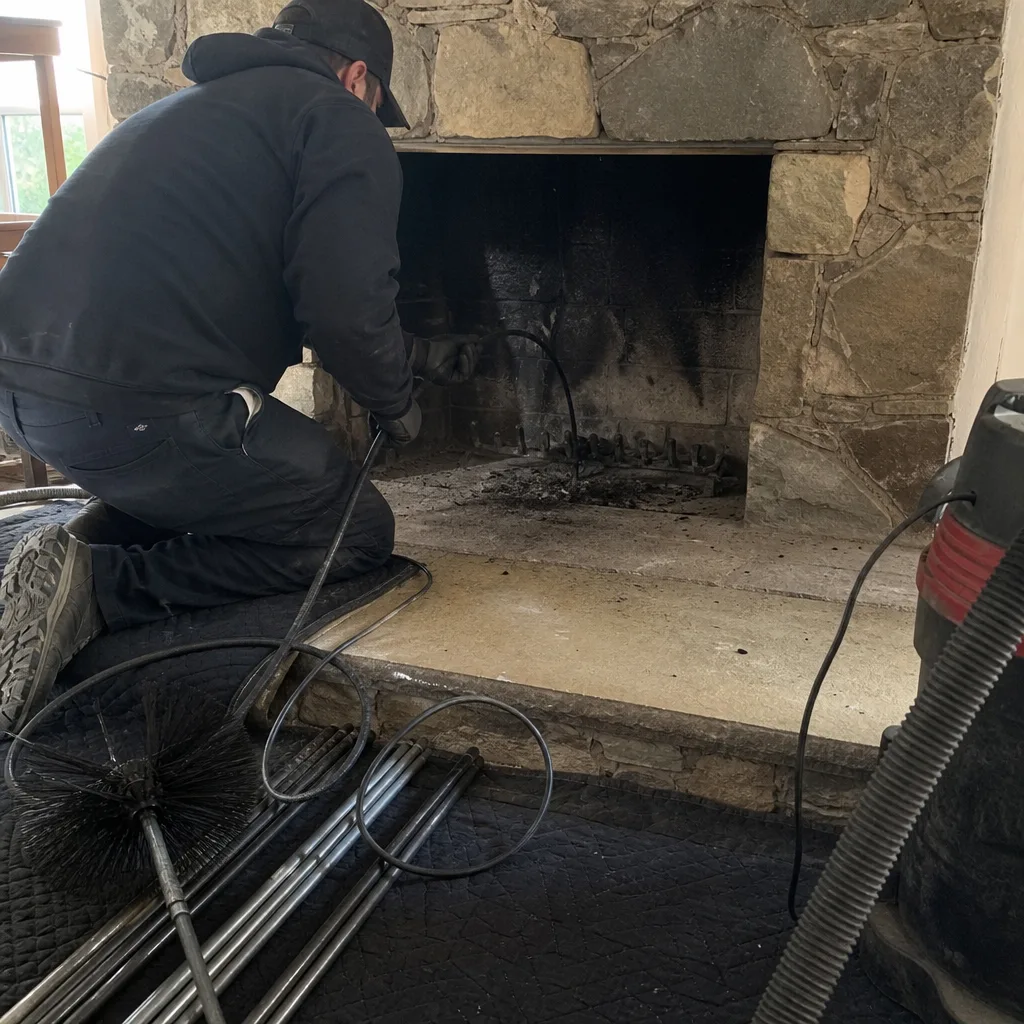
A real sweep isn’t just running a brush up and down. It starts with laying drop cloths and sealing the firebox opening so soot doesn’t enter the room. The sweep runs brushes sized to the flue from top and bottom, including the smoke chamber above the damper where creosote accumulates heavily. Then the firebox, damper, and smoke shelf get cleaned. A proper sweep also includes vacuuming with a HEPA-filtered unit, not a shop vac that just blows the fines back into the room. Wendell and his crew carry the right tools, and the job isn’t done until the hearth is as clean as the flue.
The camera inspection
The camera is standard, not an upsell. We run a camera down the flue after the sweep. This is the part that matters most. The sweep shows you what the brush cleaned and what it couldn’t. The camera footage shows liner condition, mortar joints, any gaps or cracks, and any blockages that the brushes exposed. You get to see it with your own eyes. The camera footage and a plain-English verdict, every time, no exceptions. If the camera shows something that needs attention, we’ll tell you. If it shows a clean, sound flue, we’ll tell you that too.
The report
You should leave every sweep with a written report that includes what was done, what the camera showed, and what, if anything, to keep an eye on. We back every completed job with a 90-Day Done Right Promise. If it’s not right, one call brings the crew back at no charge. That’s in writing on every single job. If a sweep doesn’t give you documentation, did you even get a sweep?
The brands we trust for Fireplace Services in Annapolis include DuraFlex liners and Copperfield replacement dampers. When a liner or a damper replacement is called for, we use products with proven records. Not the cheapest thing on the shelf. We’re proud to serve the local communities where we’ve worked since 1999, and ask anyone on your street. They’ll tell you.
Common Mistakes to Avoid
- Believing your own eyes are enough. The most dangerous sentence in chimney work is “looks fine from down here.” The majority of problems are above the line of sight, not below it. A camera is the only way to see what’s actually there.
- Skipping the annual sweep because you didn’t burn much. The off-season does its own damage. In Annapolis, the humid summer months are harder on a flue than a mild winter of occasional fires. Sweep once a year, burn or no burn.
- Burning green or wet wood. Every creosote problem we find in Annapolis traces back to firewood that wasn’t seasoned. Burn dry hardwood. If the wood hisses and bubbles when burned, it’s too wet.
- Ignoring small exterior problems. A crown crack the size of a hairline becomes a Crown crack the size of a dinner plate in one or two Annapolis winters. Small problems don’t stay small. The five exterior checks take ten minutes.
- Not running a smoke test before the first fire. If the flue is blocked or drafting poorly, the first fire of the season is when you’ll find out. The smoke test with newspaper takes five minutes and tells you most of what you need to know.
- Hiring on price alone. We’ve been inside chimneys after low-ball “sweeps” that didn’t brush anything above the smoke shelf. If a chimney sweep quote is half of everyone else’s, you’re not getting a sweep. You’re getting a receipt and a clean firebox.
- Trusting a phone quote for liner work. We have been behind more than one national outfit that quoted a liner on the phone without ever looking at the chimney. The number they gave over the phone wasn’t the number on the invoice. We publish our licensing and our address. We give a firm price before work starts, and that number doesn’t change.
When to Call a Professional
Call a professional when your own checks raise questions you can’t answer confidently. That means when the smoke test fails, when the camera footage from last year is missing or out of date, when the five exterior checks turn up cracks or flashing problems, or when you smell something musty or acidic near the firebox. Also call if you’ve just bought a house in Annapolis and have no record of when the chimney was last swept. Top Hat Chimney offers free estimates in Annapolis. Call (240) 851-3653 and a live person will answer, around the clock. It may well be Wendell himself.
Frequently Asked Questions
A chimney sweep in Annapolis typically ranges from $180 to $340 depending on the flue size, accessibility, and how much creosote has built up. Homes with heavy buildup or animal nesting may cost more because the sweep takes longer. We give a firm price upfront before any work starts, and the number we quote is the number on the invoice. Call (240) 851-3653 for an exact quote. Estimates are free.
You only need a new liner if your existing liner is cracked, separated, missing sections, or made of material no longer safe for the way you burn. We’ll show you the camera footage before we recommend anything, and if your liner looks sound, we’ll tell you that plainly. The camera footage and a plain-English verdict, every time, no exceptions. If work can safely wait, we’ll say so.
Once a year, even if you never burn. If you burn two or three times a week through the winter, sweep twice a year: before burning season in September and again mid-winter. The humid Annapolis summers mean creosote and moisture interact even when the fireplace is idle.
Creates builds up in the flue. At first it’s powdery. Then it becomes sticky. Then it becomes a glaze that a brush won’t remove. At the glaze stage, a chimney fire becomes a real possibility. A chimney fire can crack the liner, and a cracked liner can let heat and gases into the house framing. Skipping a sweep is a roll of the dice you probably don’t want to make. Call (240) 851-3653 and get on the schedule. The sweep takes an hour or two.
You can brush a lightly-sooted flue with a chimney brush from the hardware store if you’re comfortable on a ladder and the roof pitch is safe. But you cannot camera the flue, you cannot see the top third from inside, and you cannot grade the creosote you’ve left behind. Most homeowners who “clean their own chimney” are cleaning the bottom three feet and leaving the other twenty. Get a professional sweep and watch the camera footage. You’ll see why.
Rain smell in the firebox usually means water is entering the flue and mixing with soot and creosote residue. Common causes are a cracked crown, failed flashing, or a missing cap. In Annapolis, with frequent rain and high humidity, the smell can also come from a damp masonry chimney even without direct water entry. A camera inspection and a look at the crown will usually identify the source in one visit.
The Bottom Line
The Annapolis chimney checklist comes down to five exterior checks you can do in ten minutes, a smoke test you can run with newspaper, a yearly professional sweep with a camera, and a photo log you keep season after season. That’s it. That’s the whole system. It’s not complicated, but it’s specific. It draws the line between what you can trust your own eyes for and what you need a professional to see. The point isn’t to create dependency. It’s to give you the confidence of knowing exactly what’s going on with your chimney all year, and the documentation to verify it. Do the checks. Save the photos. Call when something changes. Your chimney will tell you what it needs if you know how to listen.
Written by Wendell Pike, Owner at Top Hat Chimney, serving Annapolis since 1999.