
Last updated September 11, 2026
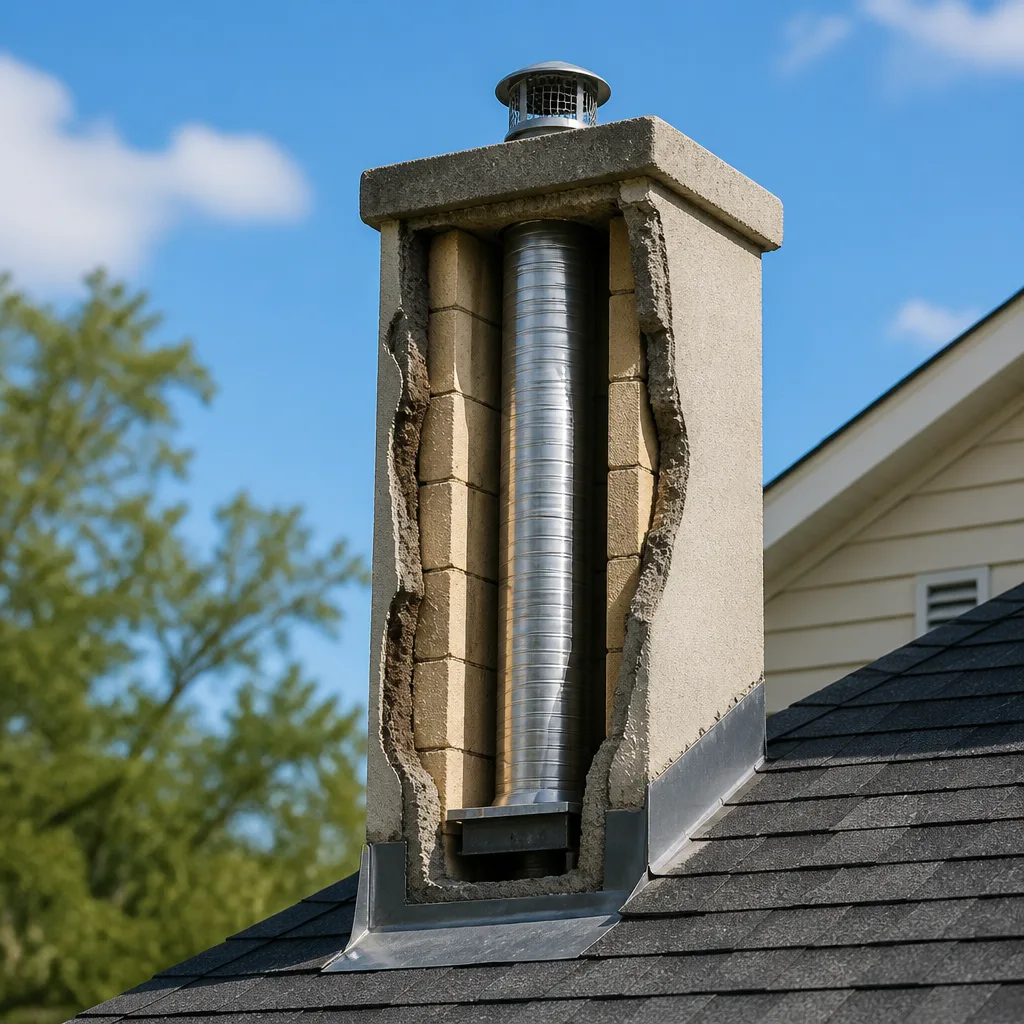
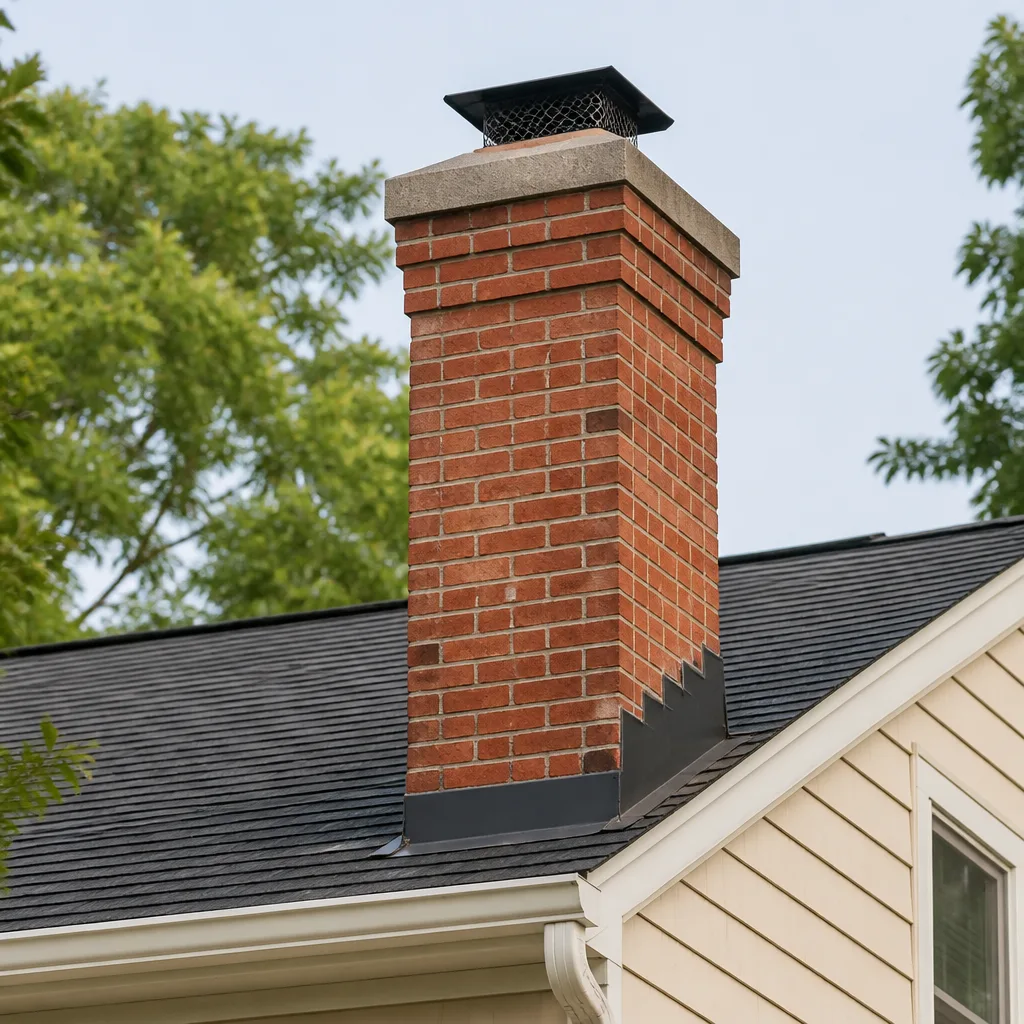
Level 1 sweep and inspection to the NFPA 211 annual standard - flue, crown, cap, and flashing checked and photographed
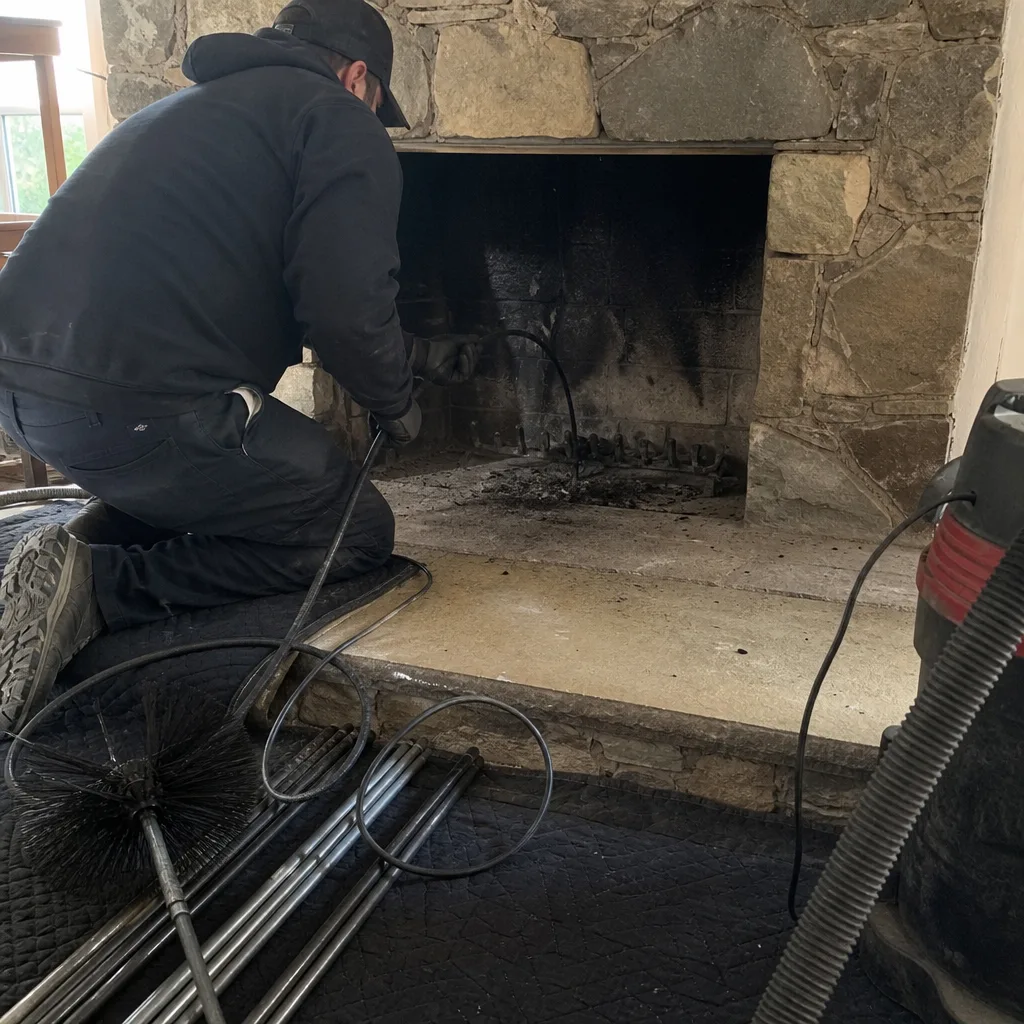
Chimney sweep logs do not sweep chimneys. They loosen some creosote - which then falls where a brush and vacuum still have to collect it.


 Before
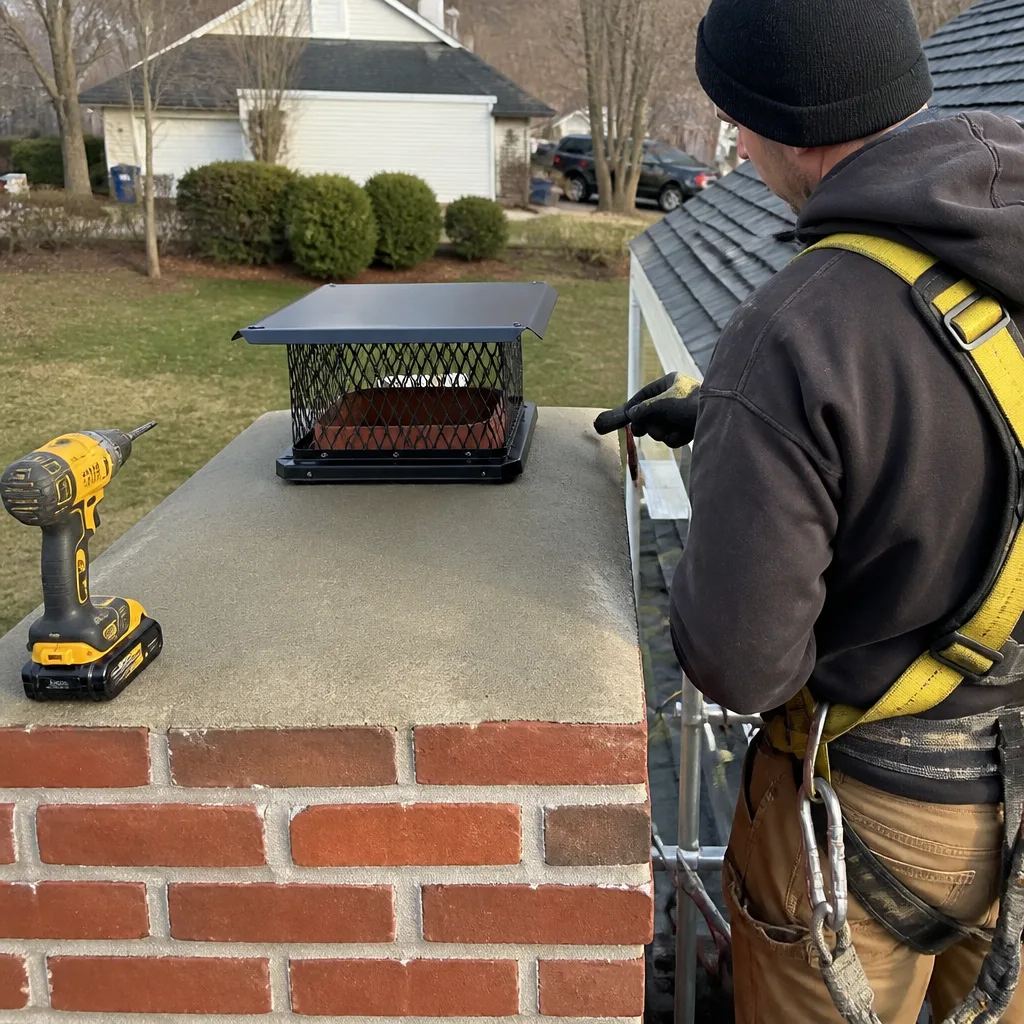 After
After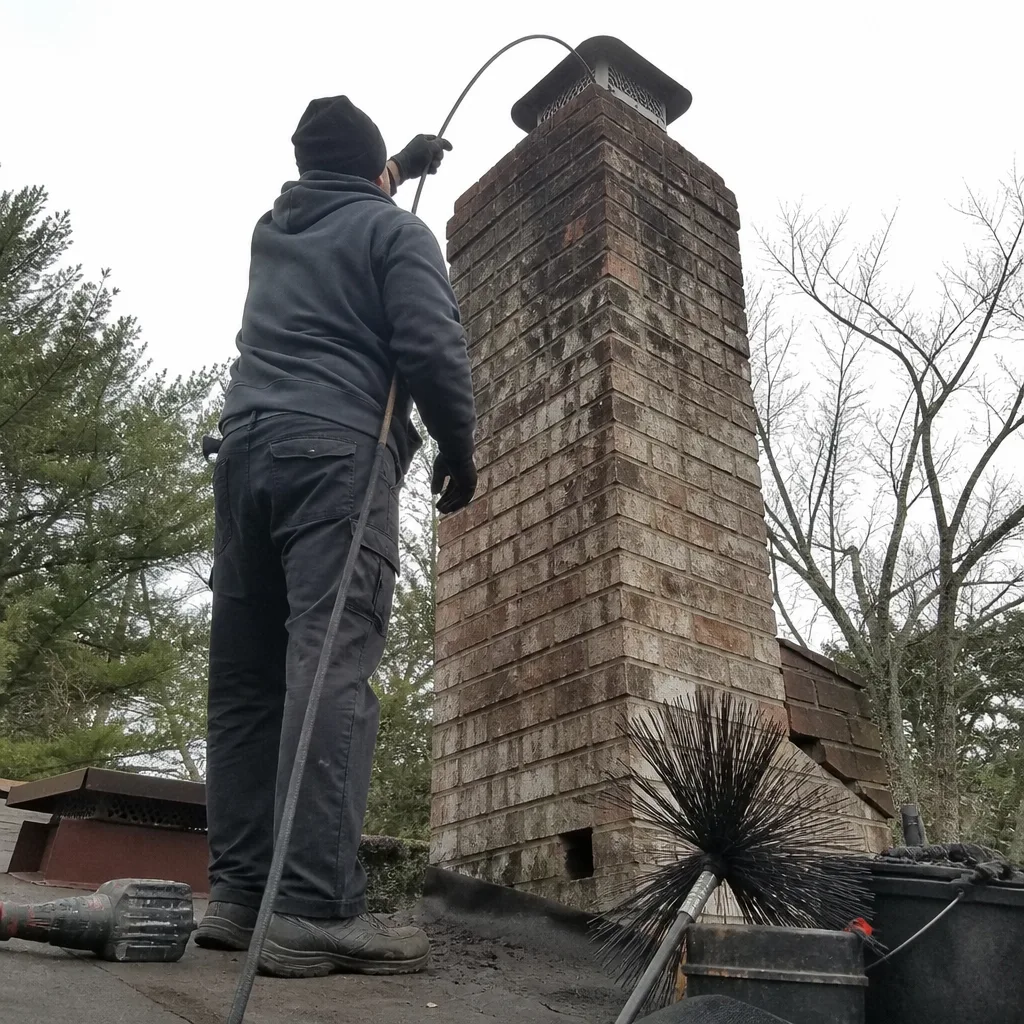 Before
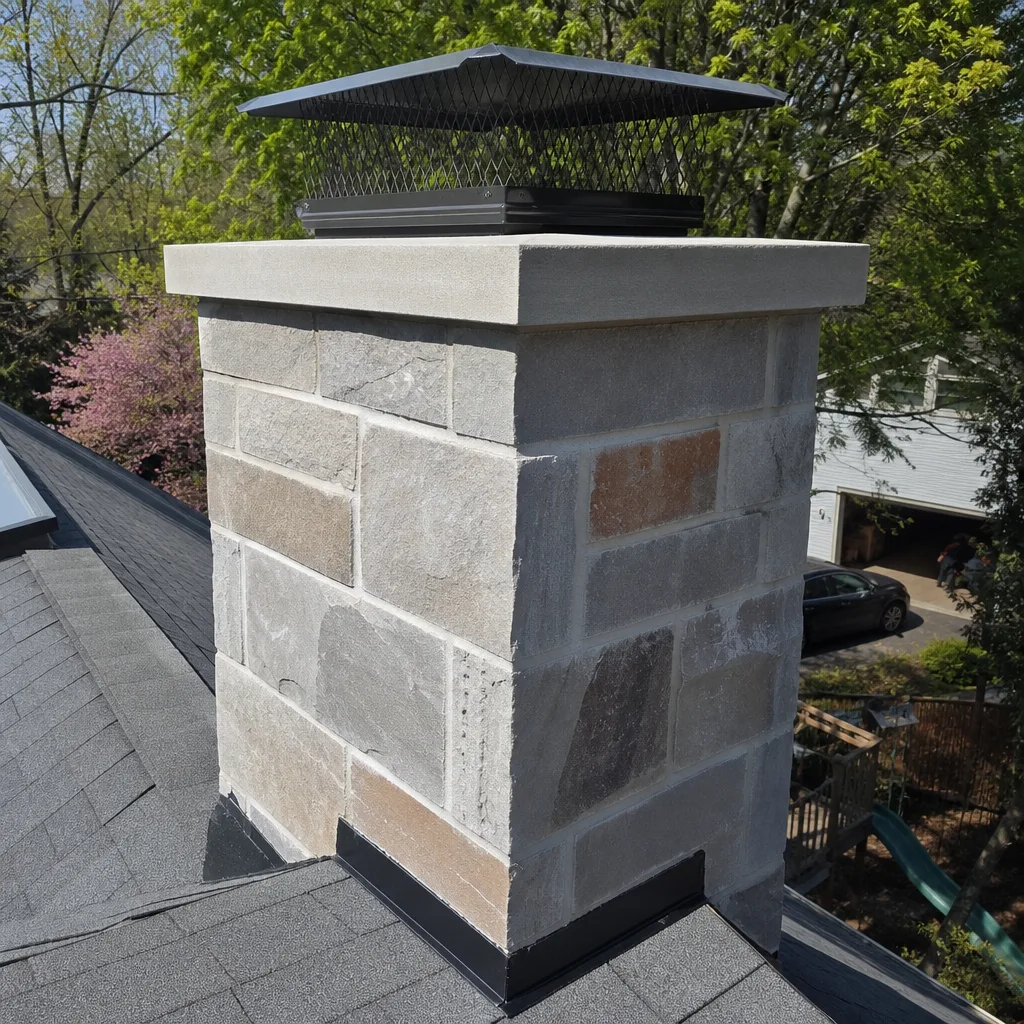 After
After Before
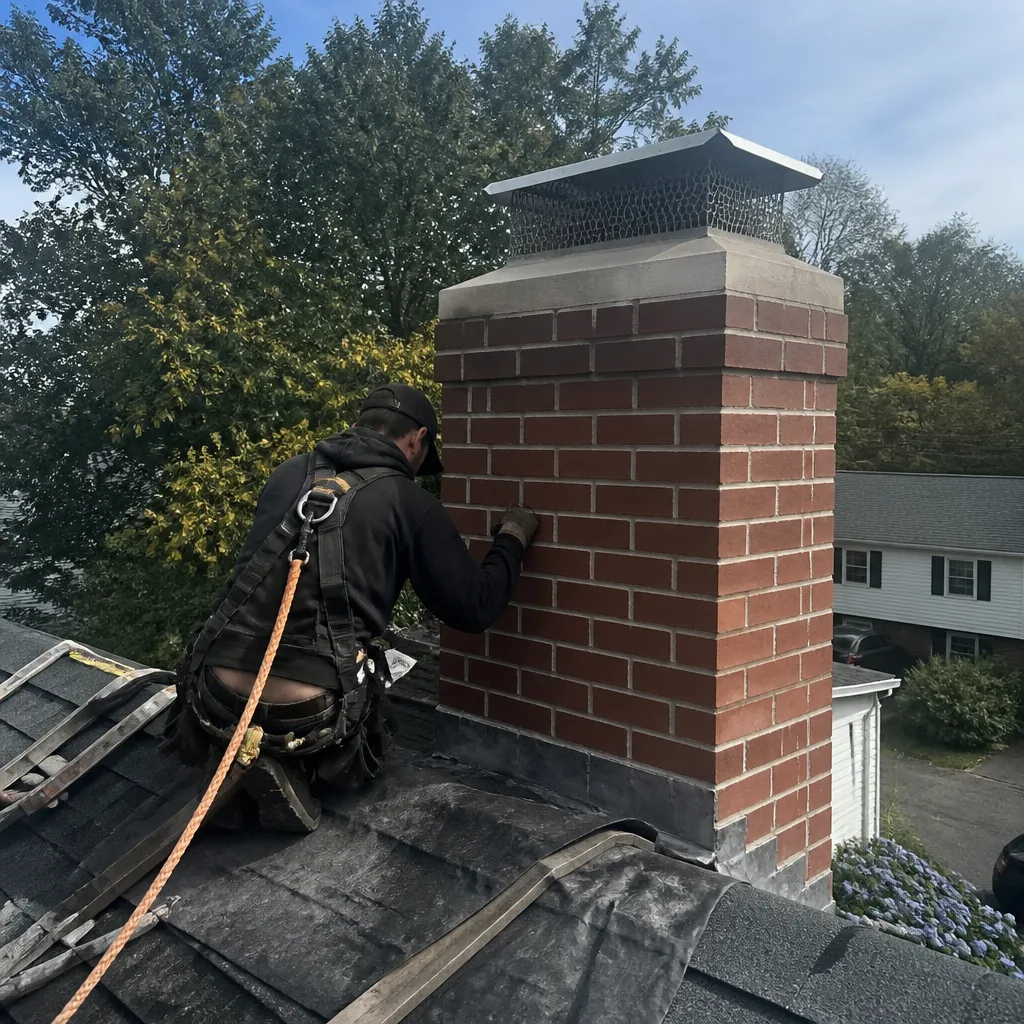 After
AfterSeasonal Chimney Cleaning Care for Annapolis: Year-Round Homeowner’s Guide
Scheduling your chimney cleaning in October feels responsible, but if you used the fireplace heavily through March and then let a humid Annapolis summer sit on top of that creosote for six months, you’ve given Stage 2 deposits time to harden in ways that take significantly more work to remove by fall. Most more guides & resources tell you to clean once a year and leave it at that. They don’t tell you that Annapolis has a specific rhythm, a pollen season that coats everything, a hurricane season that tests every cap and crown on the block, and a first cold snap that catches people off guard every single year. This guide covers the timing most people miss, the checks that cost you nothing, and how to know when a cleaning can honestly wait. By the end, you’ll know exactly when to book for your house, not for a national average.
Quick Answer
For heavy fireplace users in Annapolis, the smartest cleaning window is late spring, April through May, because creosote comes out easier before a humid summer hardens it, and any repairs found can be addressed during the off-season. Homes that rarely burn can often clean every other year, but a visual inspection should still happen annually. The worst time to book your only cleaning of the year is mid-October, when every sweep in Anne Arundel County is booked solid and your creosote has had six months to cure-something our Chimney Cleaning & Sweep Maintenance Checklist for Annapolis Homeowners helps you avoid.
Table of Contents
- Why Late Spring Is the Smarter Cleaning Window for Annapolis Fireplace Users
- What to Check in July and August When You’re Not Using the Fireplace
- Annapolis Storm Season: What It Does to Caps and Crowns
- The Fall Pre-Season Sweep: What It Should and Shouldn’t Include
- Winter Mid-Season Checks: Three Signs You Should Stop Burning
- How Often Should You Really Clean a Chimney in Annapolis?
- The Annapolis Moisture Problem Most Guides Ignore
- Common Mistakes to Avoid
- When to Call a Professional
- Frequently Asked Questions
- The Bottom Line
Why Late Spring Is the Smarter Cleaning Window for Annapolis Fireplace Users
Here’s the thing most annual-cleaning advice misses: creosote changes over time. When you burn wood through the winter, the smoke leaves deposits on your flue walls. Fresh deposits, what we call Stage 1 creosote, are flaky and brush off with relative ease. But give that creosote a hot, humid Annapolis summer, and it starts to polymerize. It gets sticky, then hard, then glazed. By October, what would have been a straightforward brush job in April has turned into Stage 2 or even Stage 3 creosote, which requires chemical treatments or mechanical removal and costs more. The humidity in Annapolis, sitting right on the Severn River and the Chesapeake, accelerates this. Your chimney doesn’t dry out in July. It holds moisture.
There’s another reason spring beats fall: repair time. If Wendell and his crew find a cracked flue tile in April, you’ve got five months to address it before the first fire of the season. If they find it in October, you’re making a decision under pressure, often with cold nights already arriving. That’s when homeowners get talked into work they don’t need, because they’re told the chimney is unsafe and they have no time to get a second opinion or check Chimney Cleaning Permits, Codes & Inspections in MD: What You Need to Know. A spring cleaning gives you room to breathe. You can ask questions, read the camera footage, and decide on your own timeline.
For anyone in neighborhoods like Murray Hill, Hillsmere, or Cape St. Claire who burns three or more cords a season, April and May are the months to book. The flue is still fresh from winter use, the creosote hasn’t set, and the sweep you hire isn’t running between six emergency calls like they will be in November.
What to Check in July and August When You’re Not Using the Fireplace
July and August are the forgotten months for chimney care, and that’s a mistake. Your fireplace isn’t running, but your chimney is still working. It’s venting hot air up and out, and it’s collecting whatever lands on it. Two exterior checks during the summer catch problems before they compound.
Check one: the cap. Go outside and look up at your chimney cap, or have someone do it from a safe spot on the ground. You’re looking for bird activity. Starlings and chimney swifts are active in Maryland through the summer, and a missing or damaged cap is an open invitation. Birds build nests in flues, and a nest doesn’t just block your draft, it’s flammable material sitting directly above your fireplace. If you see birds going in and out of your chimney in July, you have a cap problem. Call someone before fall.
Check two: the crown. The crown is the concrete slab at the top of the chimney that sheds water away from the flue. In Annapolis, with our freeze-thaw cycles, crowns crack. Hairline cracks in July become water channels by January. Water gets in, freezes, expands, and by spring you’ve got spalling brick and a bigger repair. If you can see cracks from the ground, or if you notice pieces of concrete in your gutters, that’s a sign worth acting on. A simple crown seal can prevent thousands of dollars of masonry work later.
Neither of these checks requires climbing anything. Binoculars from the yard work fine. And if you see something questionable, call us and we’ll put a camera on it during a Top Hat Chimney home inspection, no guesswork required.
Annapolis Storm Season: What It Does to Caps and Crowns
Late August through October is hurricane and storm season on the Chesapeake, and Annapolis takes its share of it. High winds, driving rain, and the occasional tropical system put real stress on chimney exteriors. The two components that take the most damage are the same two you checked in July: the cap and the crown.
Here’s the post-storm check that takes 15 minutes and catches most problems before they become expensive. After a significant storm, grab binoculars and check the following, in order:
- Look for a missing or tilted cap. Wind loosens caps, especially older ones with rusted fasteners. If it’s gone, water is getting straight into your flue, and you should call before the next rain.
- Look for new cracks or missing chunks in the crown. Tree branches and airborne debris crack crowns. Compare what you see to what it looked like before the storm, if you can.
- Look for displaced flashing at the roofline. The metal that seals the chimney to the roof can lift in high wind. Lifted flashing lets water run down the side of the chimney and into your attic.
- Check for water stains on the ceiling near the fireplace. After a heavy storm, new stains above the fireplace usually mean water found a path through the chimney system.
If any of these check out wrong, address them before you light the first fire. Water damage doesn’t heal itself, and an Annapolis winter puts more stress on a compromised chimney than any other season. One storm can turn a $300 cap replacement into a $3,000 flue and masonry repair if it’s left alone for six months. We see it every year in neighborhoods from Harbour House to Annapolis Roads.
The Fall Pre-Season Sweep: What It Should and Shouldn’t Include
If you had a thorough cleaning in April or May and haven’t used the fireplace since, you do not need a second full cleaning in October. Any sweep who tells you otherwise, in our experience, is padding the invoice. That’s one of the reasons Wendell will tell you to skip things when they don’t need doing. He’d rather earn your trust than your extra $200.
What a fall pre-season check should include, if you already cleaned in spring:
- A visual inspection of the cap, crown, and flashing to catch anything storm season changed.
- A quick peek at the flue with a camera to confirm no animals moved in during the summer.
- A smoke test to verify the draft is strong and the chimney is pulling properly before your first fire.
That’s it. That’s a fall pre-season check. It’s quick, it’s inexpensive, and it catches the things that actually go wrong between May and October. If you didn’t clean in the spring, then yes, a full fall sweep is in order. Book it in September, not October. Annapolis sweeps book out months in advance once the air turns cool, and you don’t want to be the person trying to schedule a cleaning the week before Thanksgiving.
And if someone tries to sell you a second full cleaning you don’t need, ask to see the camera footage from their inspection. If the flue is clean, it’s clean. The footage doesn’t lie. That’s the standard we hold ourselves to, and it’s a fair one to hold any sweep to. The Chimney Cleaning & Sweep in Annapolis process we follow always includes camera footage and a plain-English verdict, every time, no exceptions.
Winter Mid-Season Checks: Three Signs You Should Stop Burning
Most chimney problems announce themselves during active use, and the season can be saved if you know what to look for. Here are the three signs that mean stop burning and call someone before the next fire:
- A smell like asphalt or hot tar coming from the fireplace. That’s not normal wood smoke. That’s the smell of Stage 3 creosote heating up, and it means your flue has a serious glaze building. Stop burning. Get a professional inspection before using the fireplace again.
- Smoke entering the room instead of going up the flue. This can mean a blocked flue, a cold flue that hasn’t developed draw yet, or a structural issue. If it happens after the fire is established, treat it as a blockage. Don’t keep burning and hope it resolves. Carbon monoxide backs up into the house when the flue doesn’t draw.
- A rumbling or whooshing sound from the chimney. A normal fire crackles. A chimney that’s actively filling with creosote or experiencing a flue fire makes a different sound, like a train or a strong wind. If you hear it, close the damper if you safely can, get everyone out of the room, and call 911 if you see flames. Then call us after it’s out.
None of this is intended to scare anyone away from enjoying their fireplace. But a chimney is a passage for fire and gas through the middle of your house. It deserves respect. The people in Annapolis who use their fireplace every weekend all winter in places like Admiral Heights and West Annapolis, they know the difference between normal burning and something wrong, often because they’ve paid attention and asked good questions. If you’re ever unsure, call us. We’d rather answer a question than watch someone wait too long.
How Often Should You Really Clean a Chimney in Annapolis?
The honest answer is that it depends on how much you burn and what you burn. The NFPA standard is a cleaning whenever creosote reaches 1/8 inch of accumulation. But most homeowners don’t have a way to measure that, so here’s a practical breakdown based on what we see around Annapolis:
- You burn 3+ cords of wood per season (heavy user): Clean in the spring, every year, no exceptions. Once a year, burn or no burn. Your flue earns a cleaning by March.
- You burn 1-2 cords per season (moderate user): Clean annually, and the spring window still works best. If you’re diligent about burning dry, seasoned hardwood, you may be able to stretch to every other year, but an annual camera inspection should still happen.
- You burn occasionally, a dozen fires or fewer (light user): Clean every two years, but inspect the cap, crown, and flashing every year. The danger for light users isn’t creosote, it’s animals and moisture during the months the chimney sits unused.
- You never use the fireplace (new homeowner or non-burner): Get an inspection before your first season. Don’t assume the chimney is safe because it looks fine from the living room. In Annapolis, we inspect chimneys in older homes around the Historic District all the time that haven’t been used in decades and find flue damage that predates the current homeowner.
The fuel matters too. Burning unseasoned wood, pine, or construction scraps creates creosote faster than dry hardwoods like oak and hickory. If you’re burning whatever the tree guys drop off, expect to clean more often. And if you’re in one of the many older Annapolis homes with an unlined or original flue, you have less margin for error. Older chimneys with clay tile liners that have cracked need attention sooner, because a crack is a path for heat and gas into the house frame.
The Annapolis Moisture Problem Most Guides Ignore
Annapolis is a waterfront town, and that changes everything about chimney care. The air here carries salt and moisture. Chimneys in Annapolis deal with a combination of conditions that chimneys in Gaithersburg or Frederick simply don’t: salt air corroding metal components faster, higher humidity holding moisture in masonry, and a higher water table saturating foundations. When we do a Chimney Repair in Annapolis job, moisture is involved more often than not.
Here’s what the salt air does. It attacks the metal components, the cap, the flashing, and the damper hardware, much faster than it would inland. A galvanized cap that might last 15 years in Bethesda will corrode through in 8 to 10 years in Eastport or Bay Ridge. When Wendell replaces a cap in Annapolis, he reaches for something with real corrosion resistance, and Copperfield’s stainless steel caps are a product we install regularly for exactly this reason. They hold up to the salt.
Humidity also changes how masonry behaves. Brick and mortar are porous. They absorb water from the air, and when that water freezes in winter, it expands and spalls the brick face. You’ll see it on older chimneys around town, bricks with the faces popped off, mortar joints turning to sand. That’s freeze-thaw damage, and it’s accelerated by Annapolis’s wet climate. A crown in good shape and a water repellent applied to the masonry can slow it considerably, but nothing stops it completely on a waterfront chimney.
The long and short of it: if you live close to the water, your chimney ages faster. Inspections matter more. And the spring and summer checks we described earlier are not optional. They’re how you stay ahead of a problem that’s moving faster than it would in a drier climate.
Common Mistakes to Avoid
- Waiting until October to book your only annual cleaning. Annapolis sweeps are booked solid by then, and your creosote has had a humid summer to harden. You’ll pay more and wait longer for a job that would have been easier in May.
- Assuming no fires means no maintenance. Chimneys break in the off-season too. Birds move in, storms knock caps loose, and moisture works on masonry all summer long. The months you’re not burning are the months to catch these problems.
- Ignoring a missing or damaged cap. A chimney without a cap is an open pipe to the sky in an area that gets real rain. The cost of a cap is a fraction of the cost of water damage to the flue and firebox.
- Burning unseasoned wood and expecting the same cleaning schedule. Wet wood smolders, creates smoke, and deposits creosote much faster than dry hardwood. If you’re burning green wood from a tree that fell last month, you need to clean more frequently, full stop.
- Letting a sweep talk you into a second full cleaning in the fall when you cleaned in the spring. Ask for camera evidence. A clean flue is visible and verifiable. If someone won’t show you the footage, that’s your answer.
- Using the fireplace after a storm without a visual check. Storm season in Annapolis moves caps and flashing more often than people realize. A 15-minute look from the yard with binoculars saves a lot of trouble.
When to Call a Professional
Call a professional if you see, smell, or hear any of the winter warning signs we covered, if storm season has moved your cap or damaged your crown, if a bird has taken up residence in your flue, or if you simply haven’t had the chimney looked at in years and plan to start using it. Some things are DIYable, but anything involving the flue interior, the cap, or the masonry up top is not worth the risk of a ladder and the cost of getting it wrong. Top Hat Chimney offers free estimates in Annapolis, call (240) 851-3653, and Wendell will bring the camera and the straight answer. No pressure, no mystery findings.
Frequently Asked Questions
Late spring, April through May, is the best window for most Annapolis homeowners who burn regularly, because creosote is still soft and any repairs found can be scheduled during the off-season. If you rarely use your fireplace, an annual visual inspection still matters, but the cleaning can often happen in late summer before storm season ends. The worst time is late October, when demand is highest and the humid summer has had time to harden deposits. Call (240) 851-3653 for a free estimate and we’ll help you pick the right window for your usage.
A standard chimney sweep in Annapolis typically runs between $180 and $350 depending on the flue condition, with additional costs if the creosote has glazed or if animal removal is needed. Our pricing is given to you before any work starts, and the number you hear on the phone is the number on the invoice. Call (240) 851-3653 for an exact quote, no trip charge inside the county.
Not necessarily, and you should ask for camera footage before agreeing to a liner replacement. Cracked clay tiles or a failing liner are real problems that need addressing, but they should be visible on the camera, and we’ll show you the footage and explain it in plain English. If a sweep recommends a liner without showing you why, get a second opinion. We offer free second opinions on any written estimate. When a liner is needed, we install products from trusted brands like DuraFlex and HeatShield.
Creosote builds up, and depending on what you burn and how hot your fires are, it can harden into a glaze that’s both harder to remove and more dangerous, because glazed creosote is fuel for a chimney fire. You also miss the early signs of moisture damage, animal entry, and cracked flue tiles that an inspection would catch. In Annapolis specifically, the humid summers accelerate the hardening process, so skipping a few years in this climate costs more than it would in a drier region.
Yes, and you should. From the ground with binoculars, check the cap for bird activity or displacement after storms, look for cracks or missing pieces in the crown, and watch for water stains on the ceiling near the fireplace inside. What you shouldn’t try to do is remove creosote yourself or climb onto the roof. Flue cleaning requires tools and experience, and roof work on a wet Annapolis morning is not worth the risk. Leave that to someone who does it every day.
We serve homeowners throughout Annapolis and Anne Arundel County, including Eastport, Murray Hill, Hillsmere, Cape St. Claire, Admiral Heights, West Annapolis, Bay Ridge, and the Historic District. We’ve been in these communities since 1999, and Wendell runs into his customers at the hardware store on Saturday. Call (240) 851-3653 and a live person answers, any hour, any day. It may well be Wendell himself.
The Bottom Line
The “clean once a year” advice is a starting point, not a plan. In Annapolis, the timing of that cleaning relative to pollen season, storm season, and the first cold snap matters more than most guides admit. Clean in the spring if you burn heavily, check the cap and crown in the summer, inspect after fall storms, and stop burning the moment you smell something wrong in the winter. Do that, and you’ll spend less money on repairs, avoid the October rush, and actually enjoy your fireplace instead of worrying about it. Top Hat Chimney has been doing this work in Annapolis since 1999, with a 90-Day Done Right Promise on every job, in writing. Call (240) 851-3653 when you’re ready to book.
Written by Wendell Pike, Owner at Top Hat Chimney, serving Annapolis since 1999.