
Last updated September 11, 2026
Level 1 sweep and inspection to the NFPA 211 annual standard - flue, crown, cap, and flashing checked and photographed
Chimney sweep logs do not sweep chimneys. They loosen some creosote - which then falls where a brush and vacuum still have to collect it.


 Before
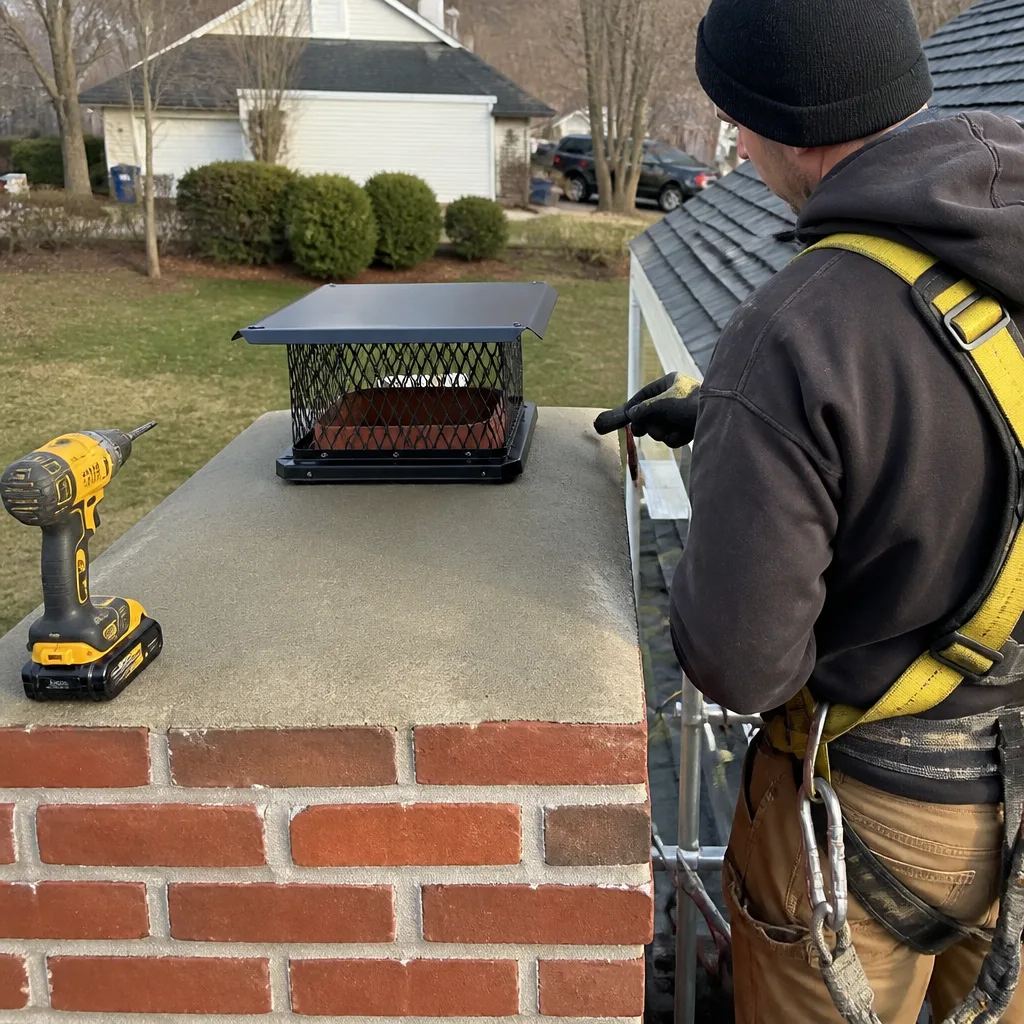 After
After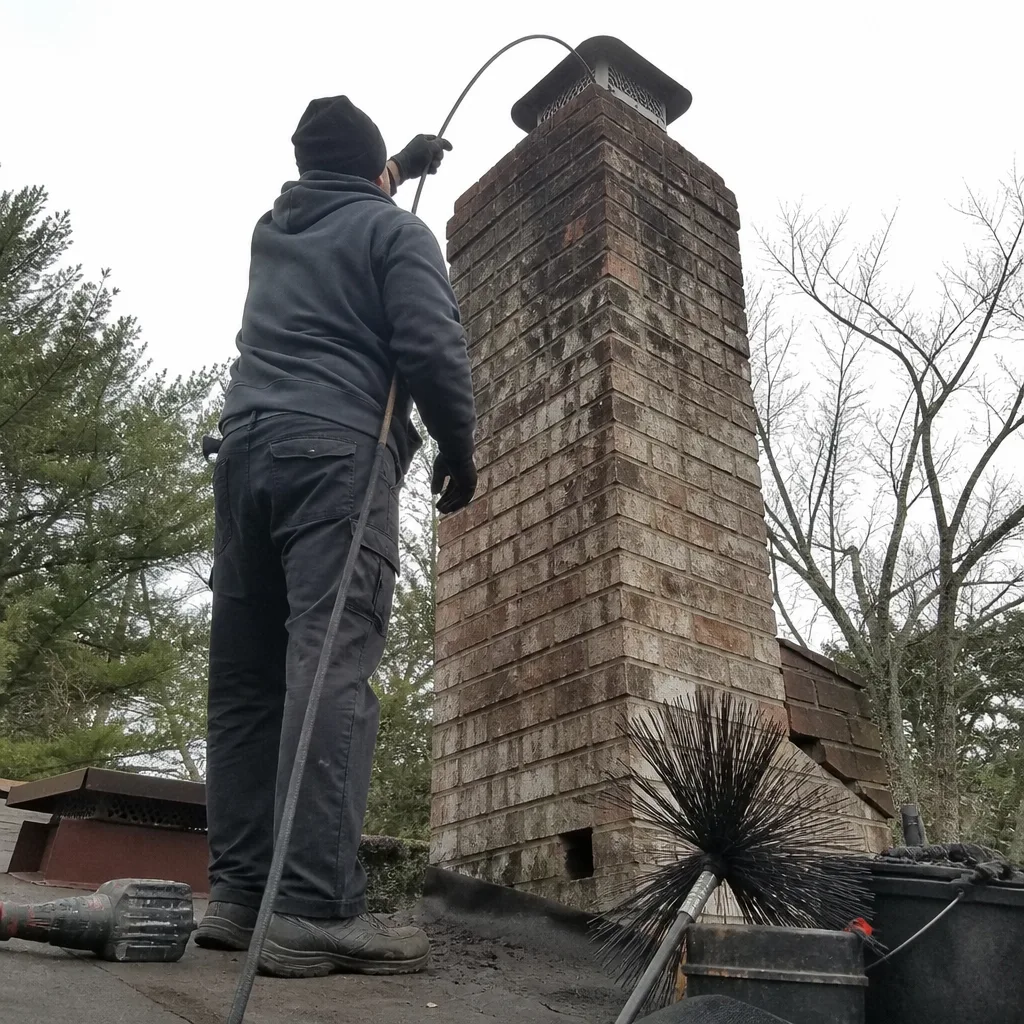 Before
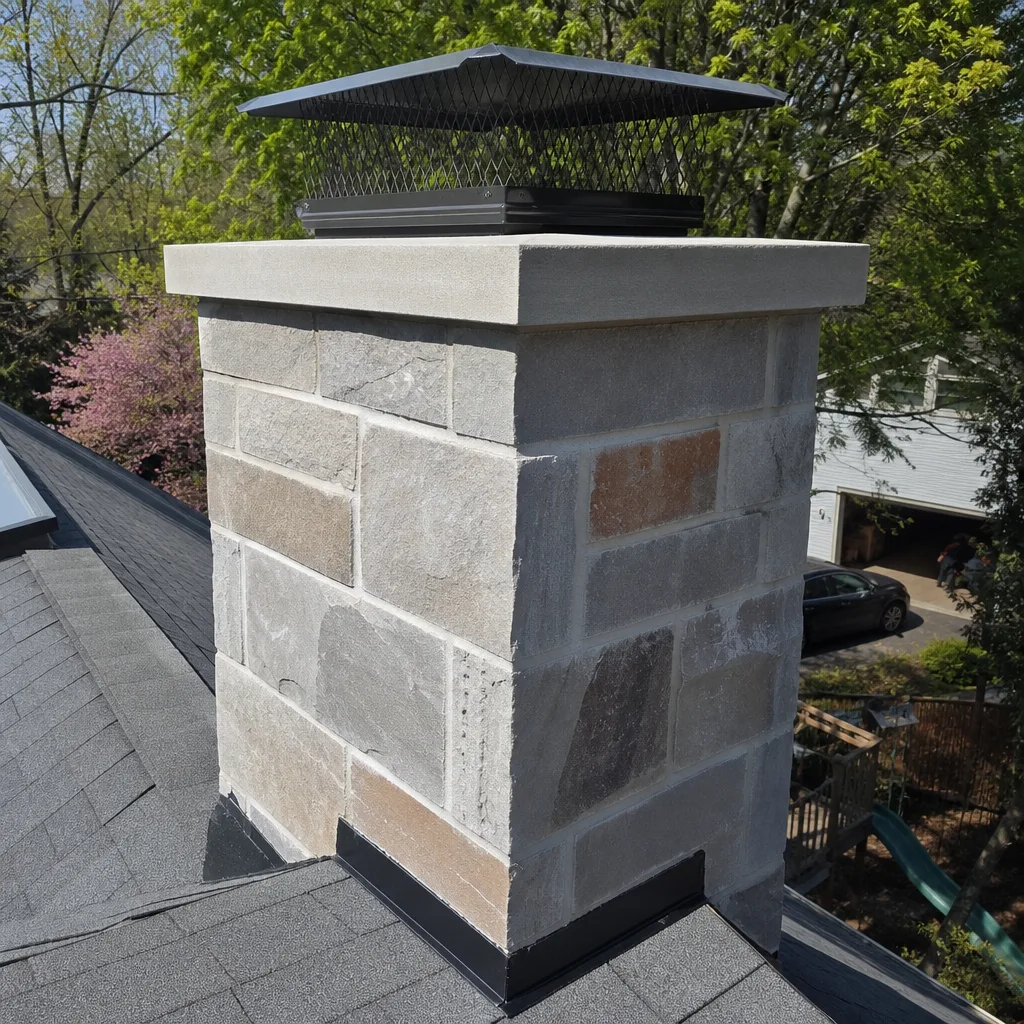 After
After Before
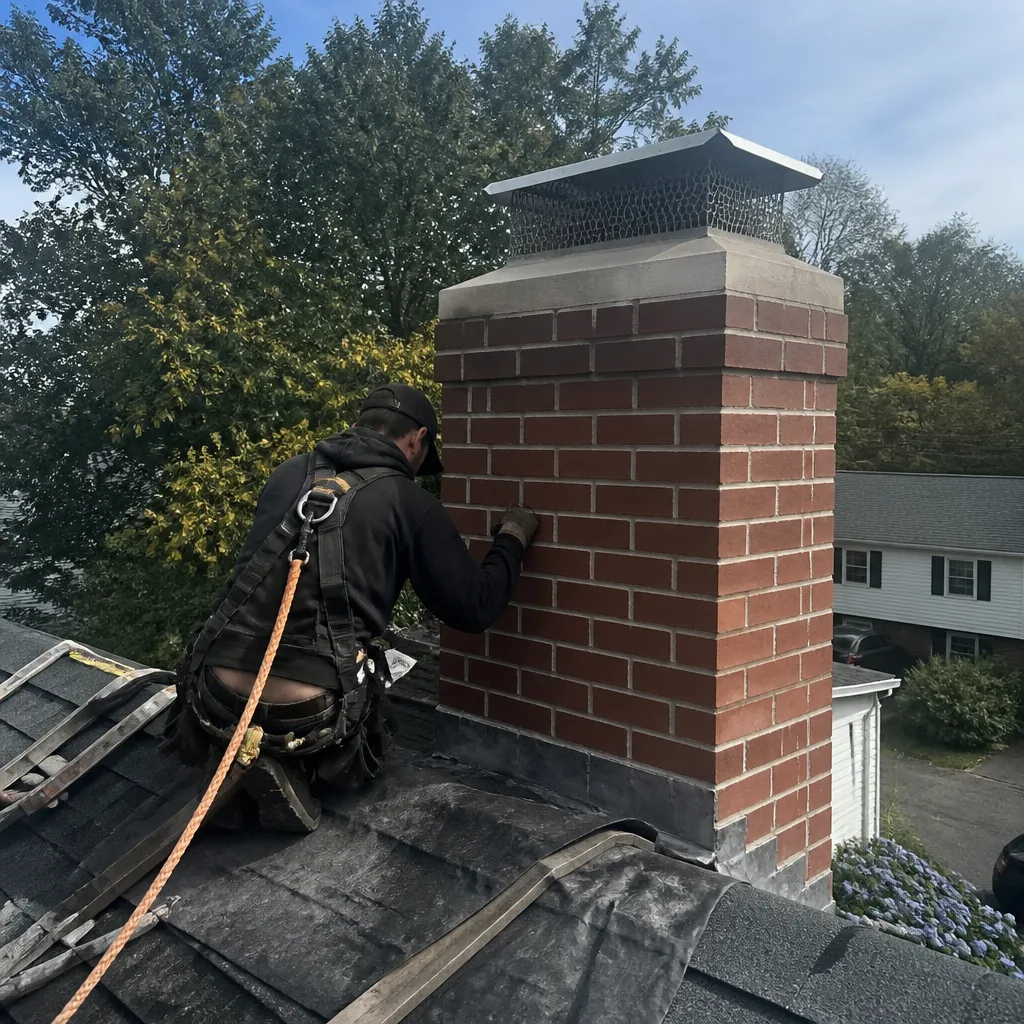 After
AfterThe Complete Guide to Chimney Cleaning in Annapolis
Annapolis sits at roughly 50 to 60 percent average relative humidity year-round, and that moisture does more than warp porch boards. It changes how creosote forms inside your flue, how fast mortar joints break down, and how often you actually need a sweep, often more often than the standard once-a-year advice you see in national brochures. This guide explains what’s really happening inside Annapolis chimneys, what a cleaning should cost here, which inspection levels matter, and how to avoid paying for repairs you don’t need yet. For seasonal chimney cleaning care for Annapolis: year-round homeowner’s guide, see our dedicated resource.
Quick Answer
Most Annapolis homes with a working fireplace need a professional chimney cleaning once a year, but homes near the water or with heavy wood-burning seasons may need it twice. A standard sweep in Annapolis runs between $180 and $320, while a full Level 2 inspection with camera work typically adds $150 to $300. If you haven’t had the flue looked at in two years or you just bought the house, start with a sweep plus camera inspection before your first fire of the season.
Table of Contents
- Why Annapolis Chimneys Fail Differently
- How Much Chimney Cleaning Costs in Annapolis
- Creosote Stages Explained Without the Scare Tactics
- Inspection Levels: What Level 1, 2, and 3 Actually Cover
- How to Read Your Sweep’s Written Report
- The Honest Threshold Between DIY and Professional Cleaning
- How to Choose a Chimney Sweep in Annapolis
- The Annapolis Seasonal Chimney Maintenance Calendar
Why Annapolis Chimneys Fail Differently
Chimneys in drier inland climates mostly fight one enemy: creosote buildup from burning wood. Chimneys in Annapolis fight three at once. The Chesapeake Bay humidity seeps into porous brick and mortar year-round, the salt air accelerates corrosion on caps, dampers, and any exposed metal, and the freeze-thaw cycles of a Maryland winter push moisture deeper into hairline cracks until they become visible gaps.
We work on homes in Eastport, Hillsmere, and Murray Hill that are thirty, sixty, sometimes a hundred years old, and the pattern repeats: the masonry looks fine from the street, but the mortar joints near the top of the flue are soft to the touch. You can press a screwdriver into them like old grout. That’s salt air and humidity doing their work from the outside while creosote does its work from the inside.
What this means practically: an Annapolis chimney that never gets inspected will often need more than a cleaning by the time you call. The crown will have small cracks, the cap will show rust, or the flashing will be lifting. Catching these early keeps a $200 sweep from turning into a $2,000 crown rebuild. When we pull up to a house near the water, the first thing Wendell checks is the exterior of the chimney, because that tells him what he’s about to find inside.
Your flue doesn’t care how the fire looks. It cares how it breathes. And in this humidity, it has to work a little harder. Schedule your inspection with that in mind.
How Much Chimney Cleaning Costs in Annapolis
Chimney cleaning prices in Annapolis have held fairly steady over the last several years, and you should expect to hear something in the $180 to $320 range for a standard sweep of a single flue with a normal amount of creosote. If the chimney hasn’t been cleaned in multiple years, or if it’s lined with a heavy glaze, the price moves upward because the work takes longer and requires different tools.
Here’s the honest price breakdown we give over the phone before anything is scheduled:
- Standard sweeping, one flue: $180 to $240, depending on roof access and flue height
- Two flues, same roof: $260 to $320
- Level 2 camera inspection with written report and photos: $150 to $300, depending on whether it’s combined with a sweep
- Chimney cap replacement: $120 to $450 installed, depending on material and size
- Standard crown repair with sealant: $250 to $600, depending on crack extent
- Full crown rebuild: $900 to $1,800, depending on chimney size and access
- Stainless steel liner installation: $1,800 to $4,500, depending on length, diameter, and whether insulation is needed
Every one of these numbers should be confirmed before work begins. Not estimated, confirmed. If a company quotes $89 for a sweep and then finds $900 worth of “necessary” repairs at the door, you’re not getting a discount; you’re getting a sales pitch in a chimney costume. That’s the national franchise playbook, and plenty of Annapolis homeowners have been burned by it. We quote one price on the phone, and the number on the invoice is the same number. No surprises, no storming off with half a chimney cleaned.
Call (240) 851-3653 for an exact quote. It takes about five minutes, and the estimate is free.
Creosote Stages Explained Without the Scare Tactics
Creosote is what’s left after wood smoke cools and condenses on the inside of your flue. It’s a natural byproduct of burning, and every wood-burning fireplace produces it. The question isn’t whether you have creosote; it’s what stage it’s in and whether it has become a fire hazard.
Stage 1: The Brush Job
Stage 1 creosote is a fine, dusty, dark brown or gray powder. In most cases it’s easily removed with standard sweeping brushes and a good vacuum. Other honest terms for it include “soot” or “loose creosote.” This is where you want to catch it. If you have a mild accumulation of first-degree creosote but you burn seasoned firewood and get a yearly cleaning, you’re likely in good shape.
Stage 2: The Crust
Stage 2 creosote looks like black or dark brown flakes, often with a rough, granular texture that resembles coffee grounds or small chips of tar. It’s harder to remove than Stage 1, though it’s still within the range of a proper professional cleaning. The flakes can trap moisture, and when moisture and creosote combine, the mixture becomes more acidic. That’s what eats at the liner and mortar joints over time.
Stage 3: The Glaze
Stage 3 creosote is hardened, shiny, and baked onto the flue walls like a layer of tar. It’s dense, highly flammable, and nearly impossible to remove with everyday brushes. Chemical treatments and specialized tools are sometimes used, but Stage 3 is also a sign that the flue has been running very hot and probably has not been cleaned in years. Depending on the extent of the damage, Stage 3 creosote may warrant liner replacement rather than just cleaning.
First-degree creosote is a brush job. Third-degree is a glaze. Catch it early, and you’ll likely avoid the most expensive repair a chimney ever needs.
An Annapolis chimney cleaning and sweep should always include a visual check of what’s coming out of the flue, not just a quick pass with the brush. You want to know what stage you’re dealing with, not just that the chimney “looks cleaner.” Wendell talks through the findings on the spot, and you get a written report the same day so you can see what was actually removed.
Inspection Levels: What Level 1, 2, and 3 Actually Cover
Not all chimney inspections are created equal. The National Fire Protection Association defines three levels of inspection, and knowing the difference will keep you from paying for a Level 3 when a Level 1 is appropriate, or worse, accepting a Level 1 when your situation calls for a Level 2.
Level 1: The Annual Checkup
A Level 1 inspection is exactly what should happen during your routine chimney cleaning. It covers the readily accessible and visible portions of the chimney exterior and interior. Your sweep looks at the firebox, the flue, the damper, the cap, and the visible masonry. No special tools, no camera, no roof climbing beyond what’s needed to sweep. If you’ve used the chimney normally and nothing has changed about the system, this is the right inspection for your annual visit.
Level 2: The Suspicious or Post-Event Inspection
A Level 2 inspection includes everything in Level 1, plus a camera scan of the entire flue and a check of the accessible parts of the chimney in the attic or crawl spaces. You should get a Level 2 if you’ve had a chimney fire, if you’re selling the house, if you’re buying the house, or if a major weather event like a hurricane or severe wind storm has blown through Annapolis. After a big storm, especially one that brought wind gusts over 50 mph, a Level 2 inspection will show whether the liner has shifted, the mortar is cracked, or water has gotten into places it shouldn’t be.
Annapolis regularly sees remnants of tropical systems and coastal storms. The salt air never stops working either. We recommend a Level 2 inspection after any major storm that causes visible damage in your neighborhood, and we always include camera footage and photos in the report. If a sweep tells you the flue is damaged and then doesn’t show you the camera footage, call someone else. The camera doesn’t lie, and neither should the report.
Level 3: The Invasive Inspection
Level 3 inspections require opening up parts of the chimney structure to gain access to areas that aren’t otherwise reachable. This only happens when a serious problem is strongly suspected, like hidden damage after a chimney fire or a collapse risk. You should never need a Level 3 as a routine service. If a company is pushing a Level 3 inspection on an annual cleaning visit, slow down and ask why. That’s a major red flag.
For most homes around Annapolis, a Level 1 inspection during the routine cleaning and a Level 2 after a storm or before a home purchase covers the real world.
How to Read Your Sweep’s Written Report
After any cleaning or inspection, you should receive a written report of what was found and what, if anything, needs attention. A good report separates findings into three categories: urgent, watch-and-wait, and optional. Here’s how to read each one.
Urgent Findings: Fix These Before the Next Fire
Items here typically include cracked flue tiles, a damaged or missing chimney cap, a liner that’s spalling or has holes, heavy Stage 3 creosote, or masonry that’s structurally unsound. If your report lists any of these, take them seriously. A cracked flue tile isn’t a cosmetic issue; it’s a path for heat and gases to reach the surrounding structure. A missing cap is an open invitation to rain, squirrels, birds, and debris. Schedule the Annapolis chimney repair work sooner rather than later, and ask the sweep to show you the photos that support the finding.
Watch-and-Wait Findings: Don’t Fix These Yet
Minor hairline cracks in the crown, surface rust on the damper, early-stage spalling on the exterior brick, or a small amount of moisture staining are findings that often don’t need immediate action. A good sweep will take photos, note the current condition, and say plainly that the problem isn’t urgent but you should check it again next season. If the same crack is still there next year but hasn’t grown, you may get several more years out of the crown before you need a repair. Wendell tells customers when the work can safely wait, and he tells them when it can’t. That’s the difference between a chimney sweep and a salesman.
Optional Findings: The Upsell Zone
Chimney caps you don’t technically need, top-sealing dampers billed as urgent, “premium” cleaning packages, and liner replacements recommended without camera evidence all fall into this category. There’s nothing wrong with a good chimney cap or a top-sealing damper; they serve real purposes. But a report that frames them as urgent when the existing setup is functional is a sales pitch. Ask for the camera footage and a plain-English explanation of what happens if the work is deferred. If the answer is vague or the pressure increases, get a second opinion. We offer a free second opinion on any competing written estimate, and we’ll show you exactly what we see, good or bad.
The Honest Threshold Between DIY and Professional Cleaning
You can clean the firebox and the visible areas of your fireplace yourself, and occasional light surface cleaning between professional sweeps is reasonable. But chimney cleaning is not really a DIY project for most Annapolis homeowners-read our DIY vs Professional Chimney Cleaning: The Annapolis Homeowner’s Decision Guide-and here’s why.
First, the tools matter. A proper sweep uses brushes sized to your exact flue dimensions, along with a vacuum that captures the fine particulates instead of pushing them back into your living room. Department-store brush kits are often one-size-fits-all, and one-size-fits-all doesn’t fit most chimneys. Second, the access is dangerous. Roof work around Annapolis’s steep pitches, wet shingles, and icy winter mornings is genuinely risky work. Third, you can’t see what’s happening inside the flue without a camera, which means you can’t verify whether your cleaning actually removed the creosote or just rearranged it.
If your chimney has Stage 1 creosote and you want to do a light touch-up between professional cleanings, a soft-bristle brush and a good shop vacuum can help with the firebox and the first few feet of the flue. But once you’re dealing with Stage 2 or Stage 3 creosote, or once you’re reaching past the damper, it’s time to call a professional. The cost of a proper cleaning is a fraction of the cost of a chimney fire.
How to Choose a Chimney Sweep in Annapolis
Annapolis has a mix of owner-operated sweeps who have worked here for decades and national franchise crews that rotate through on discount campaigns. Our How to Hire a Chimney Cleaning Contractor in Annapolis: A Step-by-Step Guide can help you tell the difference. The differences matter more than the price difference.
What the National Franchise Model Looks Like
National chains often advertise a low “get in the door” price, like $49 or $79 for a cleaning. Then the technician arrives, and within an hour the conversation has shifted from cleaning to “safety issues” that require thousands of dollars in immediate work. The technician may be a rotating employee with minimal local experience, the original phone number may route to a call center, and getting someone back out after the job can be a full-time project in itself. This isn’t a hypothetical. We hear a version of this story from Annapolis homeowners every single week.
What an Owner-Operated Sweep Does Differently
A local owner-operated sweep, the kind that has worked the same neighborhoods since 1999, has to live with his work. If he does a bad job in Murray Hill, he’ll hear about it at the hardware store on Saturday. That kind of accountability can’t be faked.
Wendell Pike, the owner of Top Hat Chimney, has been serving Annapolis and the surrounding communities since 1999. The phone is answered by a real person, 24 hours a day, and it may well be Wendell himself on the line. Every job includes upfront pricing stated before any work begins, and that price is what appears on the invoice. Every technician is background-checked and arrives in uniform. And every single job, large or small, is backed by the 90-Day Done Right Promise. If the work isn’t right, one call brings the crew back at no charge. That promise is stamped on every invoice.
We work with chimney products from trusted brands like Olympia Chimney, Famco, and DuraFlex because we’ve put them in local homes for years and know they hold up to Annapolis conditions. Ask anyone on your street who’s had chimney work done. You’ll likely find someone who’s had a bad experience with a discount outfit and someone who learned to call the local guy first.
The Annapolis Seasonal Chimney Maintenance Calendar
Chimney work in Annapolis follows the weather and the water. Here’s the rhythm we’ve come to expect after more than 29 years of sweeping local chimneys, and you can find more guides & resources on our blog.
- Early spring (March to May): The best time to schedule a cleaning and inspection if you’ve been burning all winter. You’re also catching any damage from winter storms before it sits in the humid spring air and worsens.
- Late spring (late May to June): Prime time for exterior chimney repairs and masonry work. Warm, dry days mean sealants and mortar cure properly.
- Summer (July to August): The off-season for chimney fires, but not for chimney problems. Water damage, animal entry, and rust all progress through the hot humid months. This is a smart time to replace a chimney cap or do preventative work, often with shorter wait times for scheduling.
- Early fall (September to October): The busiest season. Everyone in Annapolis remembers their chimney during the first cool week. Schedule your cleaning before the rush, ideally by mid-September.
- Late fall and winter (November to February): Heavy burning season. We’re still out there helping homeowners with emergency repairs and storms, but this is the most expensive and least convenient window for routine work. Annual maintenance is best done before the first serious cold snap.
Once a year, burn or no burn. Chimneys break in the off-season too. That saying holds especially true in a humid, salt-air town like Annapolis, where the off-season is when the water and corrosion do their quiet work.
Annapolis-Specific Concerns: Salt Air, Older Homes, and Coastal Storms
Many Annapolis homes fall into two broad categories: historic masonry homes with brick chimneys that have stood for decades, and newer construction with prefab or metal chimneys. Each has its own failure patterns in a coastal environment.
Historic Brick Chimneys
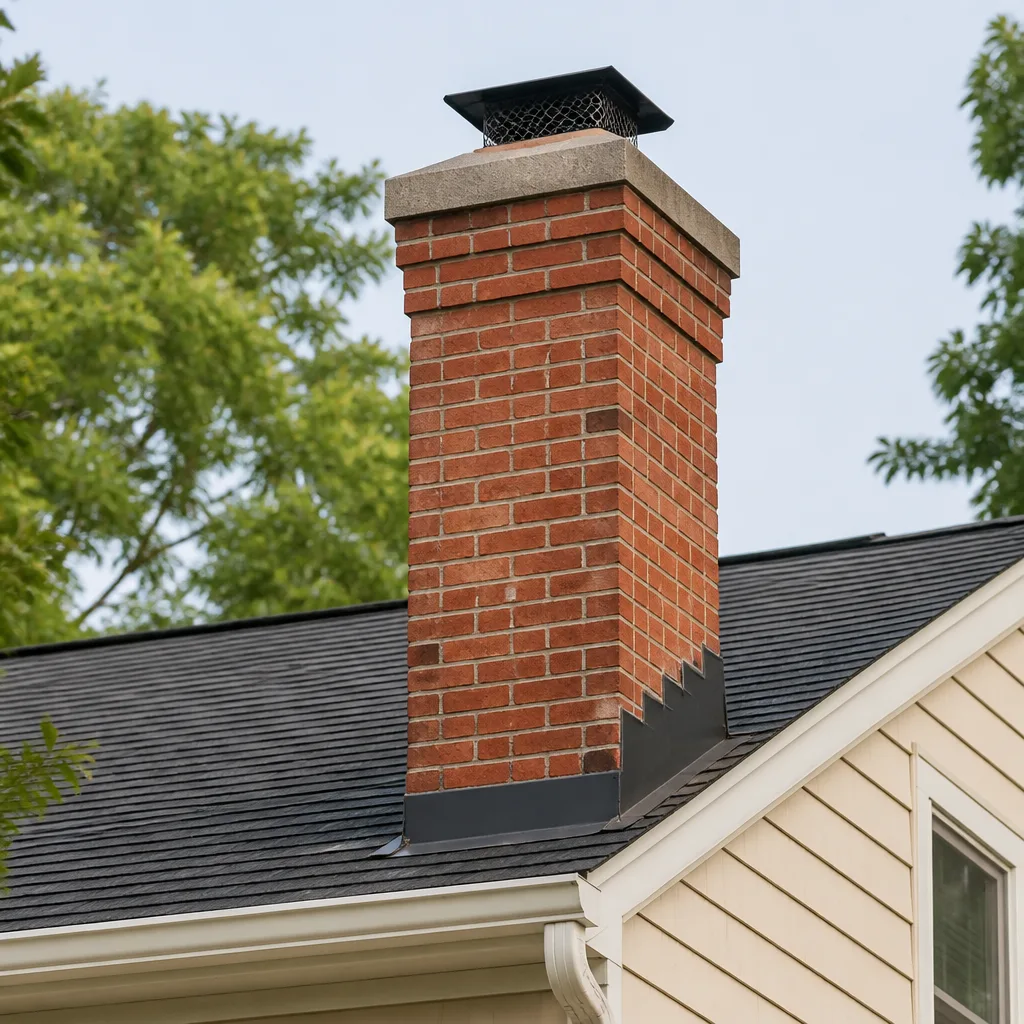
In neighborhoods like Historic Annapolis, Murray Hill, and West Annapolis, there are brick chimneys that date back to the early 1900s and earlier. The masonry is often beautiful, but the mortar joints were not designed for a century of freeze-thaw cycles and salt air. Moisture from the Chesapeake Bay works into the surface, salt weakens the mortar, winter frost expands it, and spring thaw contracts it. This is why you see so many Annapolis chimneys with soft, crumbling mortar near the top sections even when the lower brick looks fine.
If you own a historic home, have the chimney crown, flashing, and upper mortar inspected at least every two years, even if you rarely use the fireplace. Water entry through failing upper masonry can damage interior walls and ceilings far from the firebox itself. Repointing deteriorating mortar joints before they fail is far less expensive than rebuilding a chimney that’s been allowed to lean or collapse.
Newer Prefab and Metal Chimneys
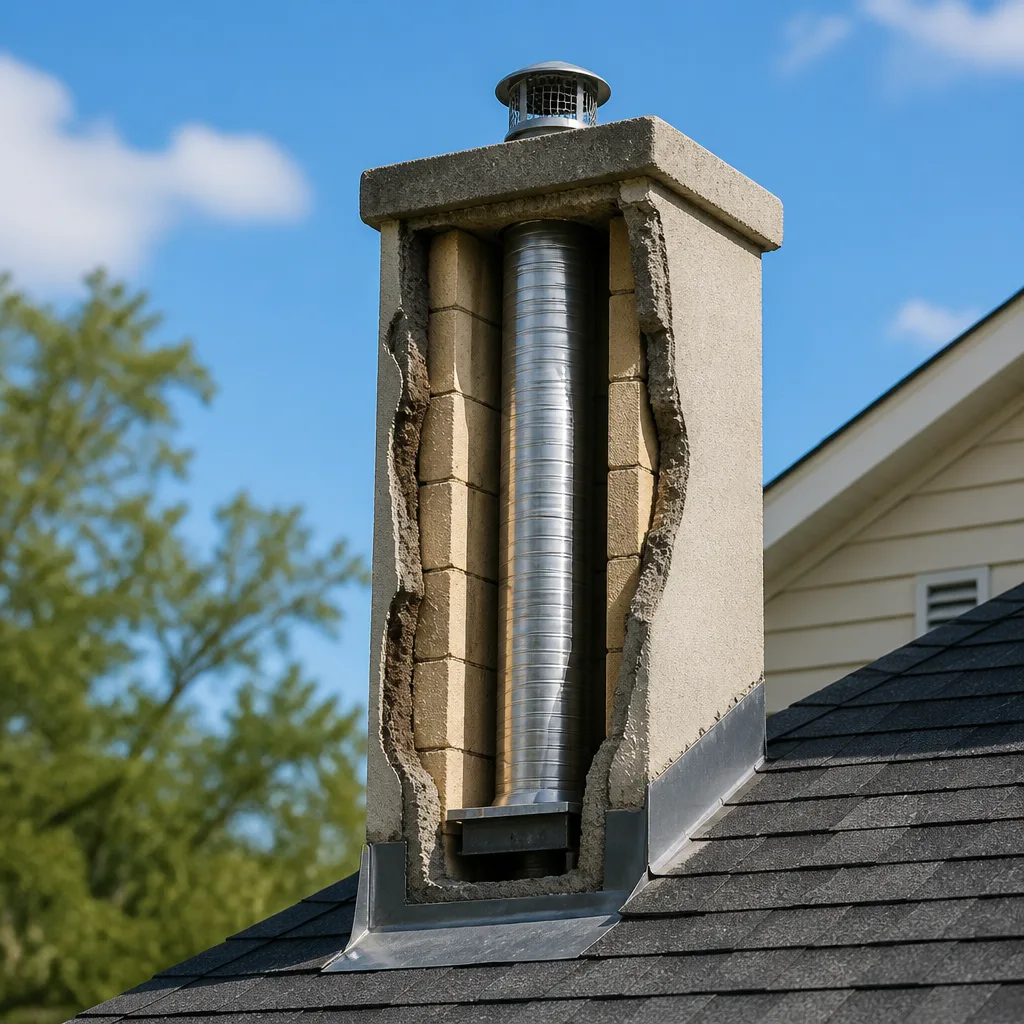
Newer Annapolis construction often uses factory-built chimneys with metal flues and framed chase surrounds. These systems aren’t immune to the coastal environment either. The metal components corrode faster in salt air, the chase covers and caps rust, and water can find its way in through failed seals around the top of the chase. If you see rust streaks on the outside of a metal cap or chase-top, that’s a sign the protective coating has failed and the underlying metal is being eaten away.
Water damage and rust progression happen all summer long, even when you’re not burning. If you see rust streaks, peeling paint on a chimney chase, or moisture stains on the ceiling near your fireplace, call for an inspection sooner rather than later.
What a Chimney Sweep Actually Does During a Cleaning
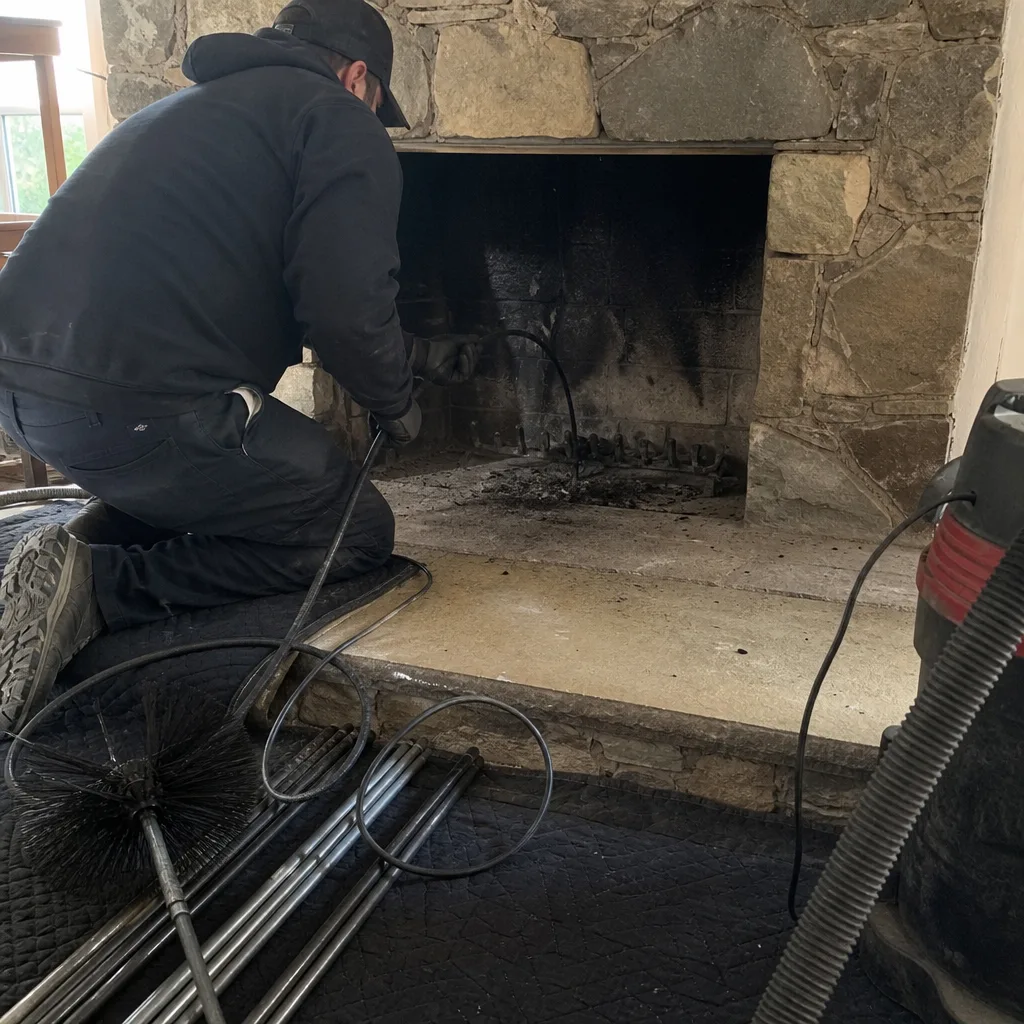
There’s a common misconception that chimney cleaning is just pushing a brush up and down a few times. That’s about 20 percent of the job. Here’s what actually happens during a proper sweep from a company like Top Hat Chimney:
- Prep the work area: Drop cloths cover the floor and surrounding furniture. A high-powered vacuum runs during the entire process to capture dust and debris.
- Brushing the flue: The sweep uses a brush matched to your flue’s exact dimensions, working from either the roof or the firebox depending on the setup and the pitch of the roof.
- Removing debris: The loosened creosote and soot is vacuumed from the firebox, the smoke chamber, and the damper area.
- Inspecting the cap, crown, and flashing: The exterior components are checked for rust, cracks, and weather damage. In Annapolis, this step is mandatory given the salt air.
- Camera inspection (Level 2 if requested): A camera runs the full length of the flue, recording everything. You get the footage and a report.
- A plain-English verdict: Wendell tells you exactly what was found, what’s fine, what needs watching, and what genuinely requires repair. No jargon, no pressure, just the facts.
- Written report: You get a written document that summarizes the findings and recommends next steps. You can read it before you make any decisions.
The camera footage and a plain-English verdict come with every job, no exceptions. If a sweep is reluctant to show you the camera footage, that’s a signal to find someone else.
Common Mistakes to Avoid
- Skipping the annual cleaning because the fireplace “looks fine.” The first few feet of the flue may look dirty or clean, but the upper sections near the crown are where moisture and salt air cause the most damage. You can’t see that from the living room.
- Trusting the $49 doorbuster sweep. That price is designed to get a technician to your door so they can sell you a liner or a rebuild. You’ll likely pay more before the visit is over than a straight-shooting local sweep would have quoted on the phone.
- Burning unseasoned or wet wood. Wood that hasn’t been split and dried for at least six months produces more smoke, more creosote, and more buildup than seasoned wood. In Annapolis’s humid climate, wood takes even longer to dry, so stock up early and cover the pile.
- Never looking at the outside of the chimney. In a salt-air environment, exterior corrosion and mortar breakdown are often the first warning signs. Take a walk around your house in the spring and fall and look up.
- Ignoring the damper. A damper that’s rusted open or closed changes how your fireplace drafts and can drive moisture and cold air into the house. It’s a cheap fix if caught early and an expensive one if ignored for years.
- Deferring a small crown crack. What starts as a hairline crack becomes a water entry point, and water entry is how a $300 sealant job becomes a full crown rebuild. In a humid coastal town, deferral comes with a steep interest rate.
When to Call a Professional
You should call a professional chimney sweep if you haven’t had the flue inspected in the past two years, if you’ve burned more than a cord of wood in a season, if you’ve had a chimney fire or suspect one, if you’re buying or selling a home, or if you’ve noticed any of the warning signs: rust on the cap or chase, crumbling or soft mortar, water stains near the fireplace, or a persistent smoky odor even when the fireplace is cold. If you’re in Annapolis and any of these apply, Top Hat Chimney offers free estimates and camera-backed inspections with no trip charge inside the county. Call (240) 851-3653 and we’ll walk you through it.
Frequently Asked Questions
A standard chimney sweep in Annapolis typically costs between $180 and $320 for a single flue. The exact price depends on roof access, flue height, and the amount of creosote buildup. If you add a Level 2 camera inspection, expect to add $150 to $300. Call (240) 851-3653 for a free quote specific to your chimney.
Most Annapolis homes with a working fireplace should have the chimney cleaned once per year, ideally in early fall before the burning season starts. Homes near the water, homes with older masonry, and homes that burn more than a cord of wood per season may need twice-yearly cleanings. The humidity and salt air mean even an unused chimney should be inspected annually.
Not always. A liner replacement is sometimes genuinely necessary, especially if the existing liner is cracked, spalling, or has holes that allow heat and gases to escape into the chimney structure. But you should always ask to see the camera footage that supports the recommendation. If the sweep can’t or won’t show you the video, that’s a warning sign. We show the footage and explain in plain English whether the liner can safely wait or truly needs replacement.
A chimney cleaning removes creosote, soot, and debris from the flue. A chimney inspection assesses the condition of the entire chimney system, including the liner, masonry, cap, crown, and flashing. Most good chimney sweeps in Annapolis do both at the same time. You can also request a camera inspection, which gives you visual documentation of the flue’s interior condition.
Creosote builds up in stages. If it remains Stage 1 or mild Stage 2, the risk is manageable, though not zero. But if it reaches Stage 3, the hardened glaze becomes a significant chimney fire hazard and can be nearly impossible to remove without extensive work. In Annapolis, the humid air and salt can also cause the liner and crown to deteriorate faster than in dry climates, compounding the problem. Regular cleanings are much cheaper than reactive repairs.
You can handle light surface cleaning of the firebox and the visible fireplace area, but professional tools and training are needed to properly brush the full flue and to do the camera inspection. Roof work around Annapolis, especially on older and steeper homes, is dangerous. If your chimney has anything beyond mild Stage 1 creosote, call a professional sweep instead of attempting it yourself.
The Bottom Line
Annapolis is a beautiful and unique place to own a home, and the same Chesapeake Bay and historical character that make it special also put real, ongoing strain on chimneys. The humidity, salt air, and older housing stock mean your chimney needs more faithful attention than the same house in central Maryland ever would. Schedule an annual cleaning, get a Level 2 inspection after major storms or before a home sale, and always see the camera footage before approving a major repair. If you want a local company that will quote one price on the phone, show you exactly what it finds, and back every job with a 90-day guarantee, call (240) 851-3653. We’ll treat your chimney like it’s our own, because in this town, it may well be your neighbor’s.
Written by Wendell Pike, Owner at Top Hat Chimney, serving Annapolis since 1999.