
Level 1 sweep and inspection to the NFPA 211 annual standard - flue, crown, cap, and flashing checked and photographed
Chimney sweep logs do not sweep chimneys. They loosen some creosote - which then falls where a brush and vacuum still have to collect it.


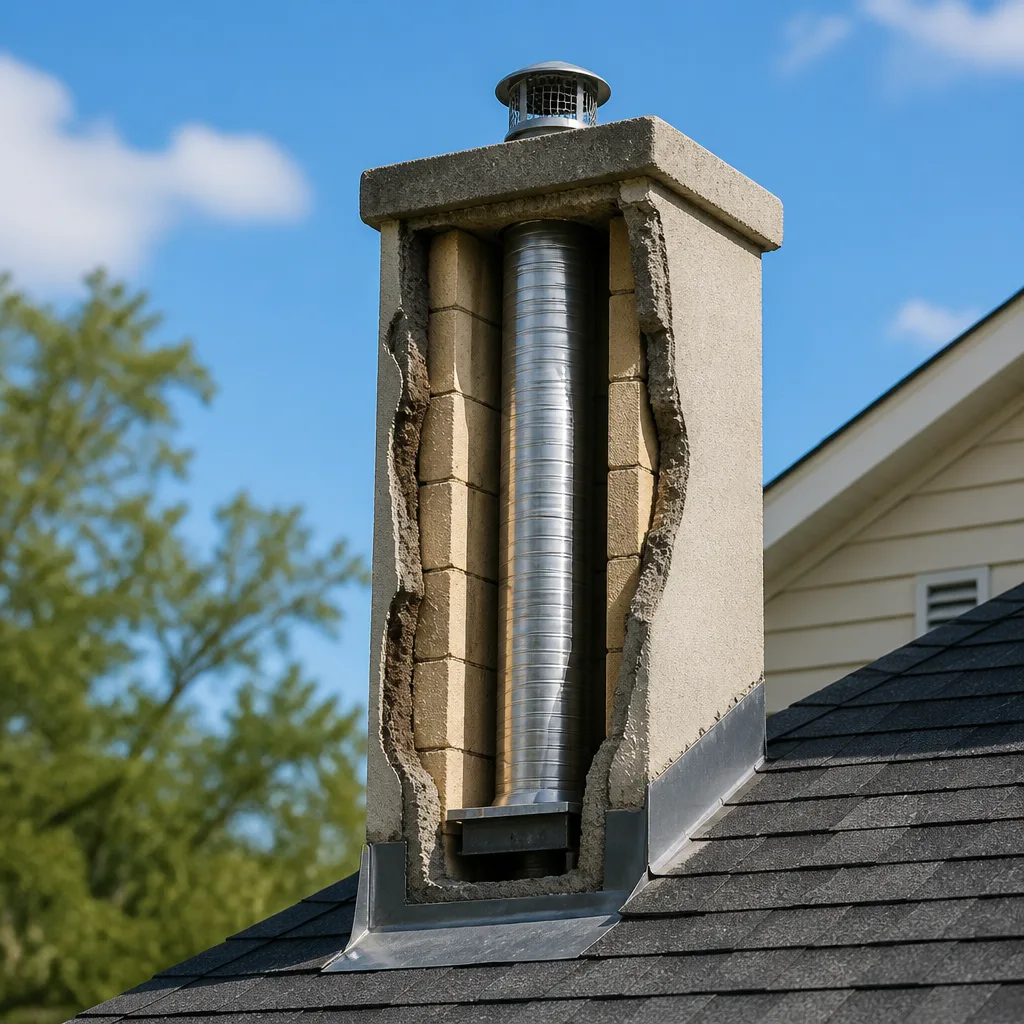
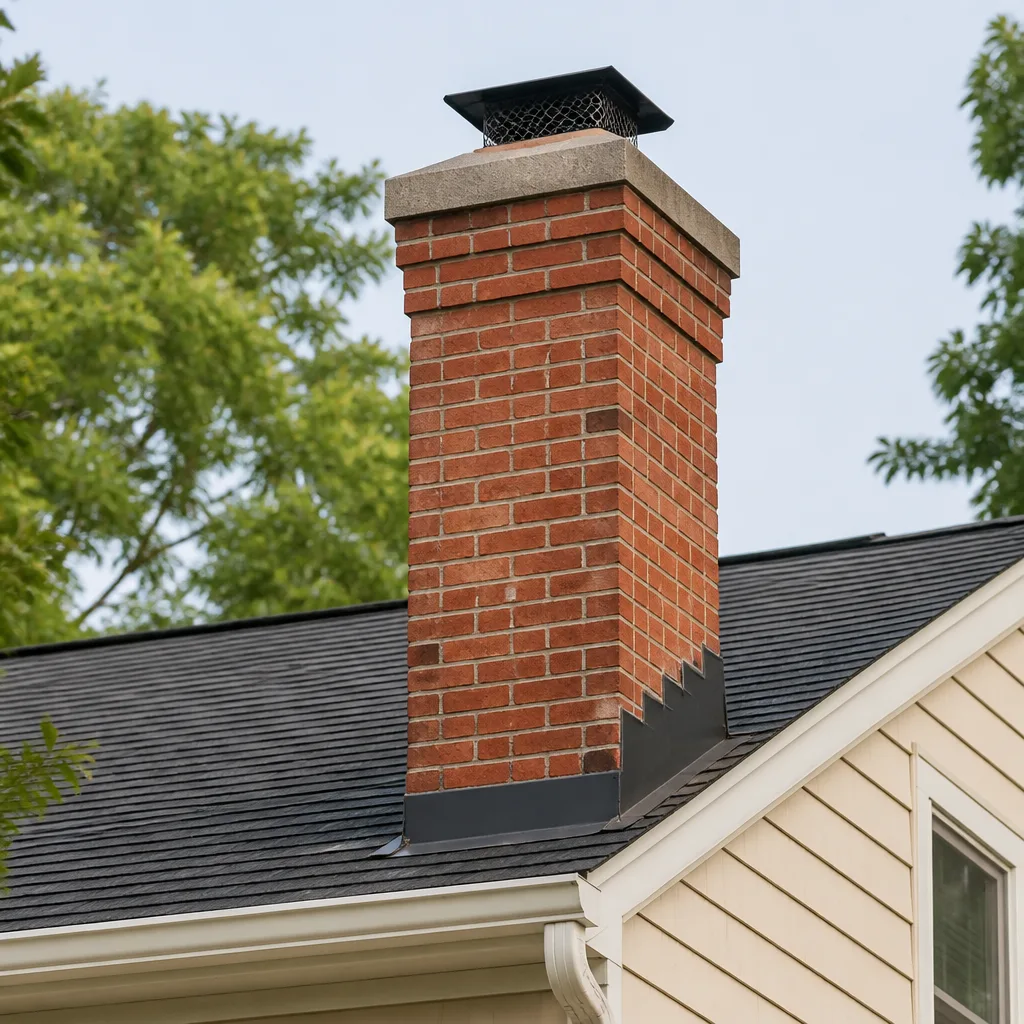
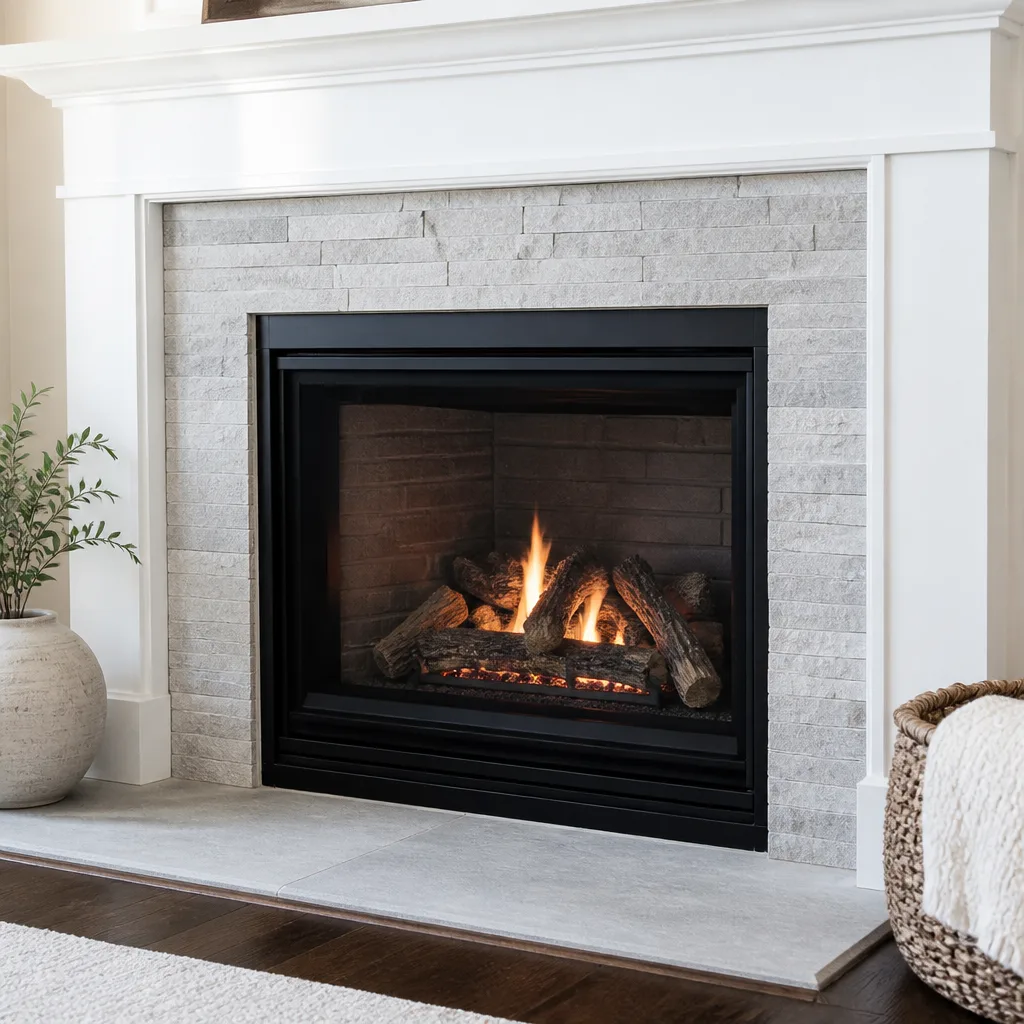
 Before
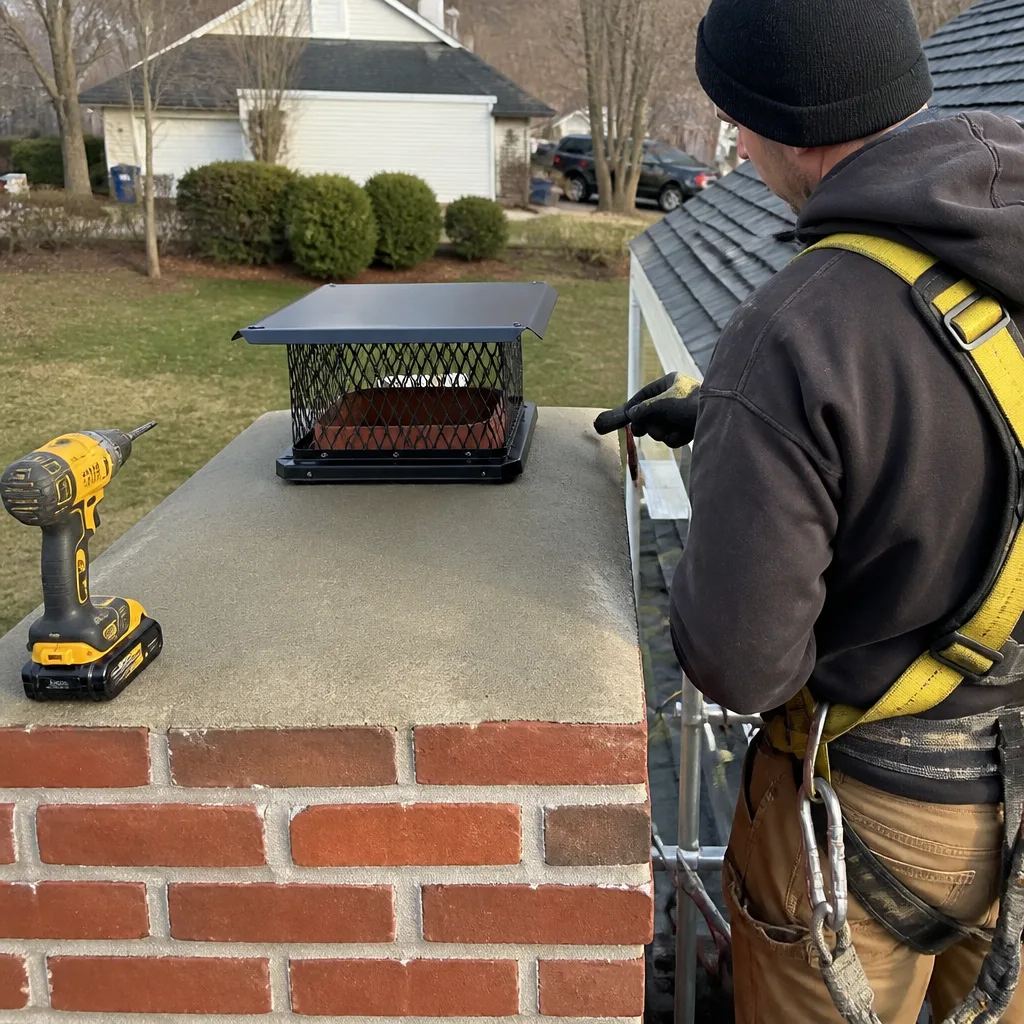 After
After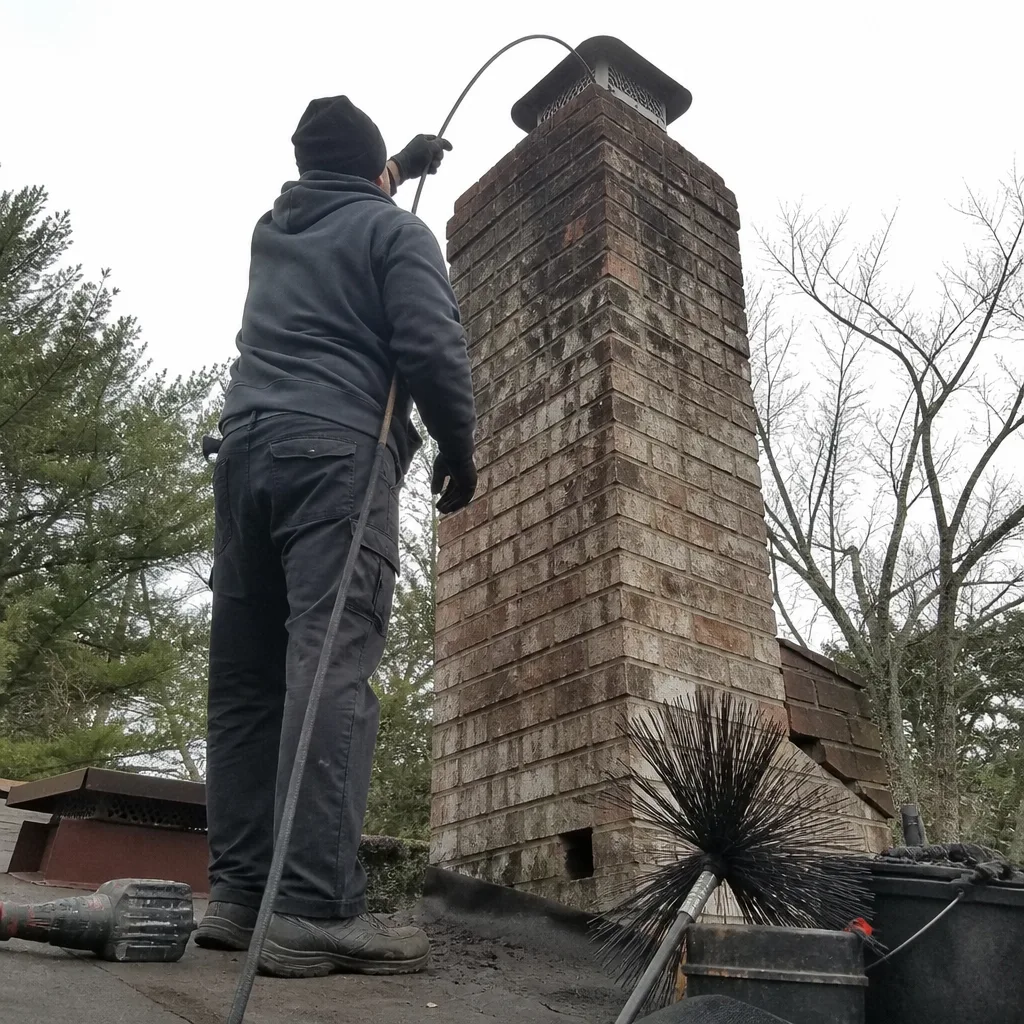 Before
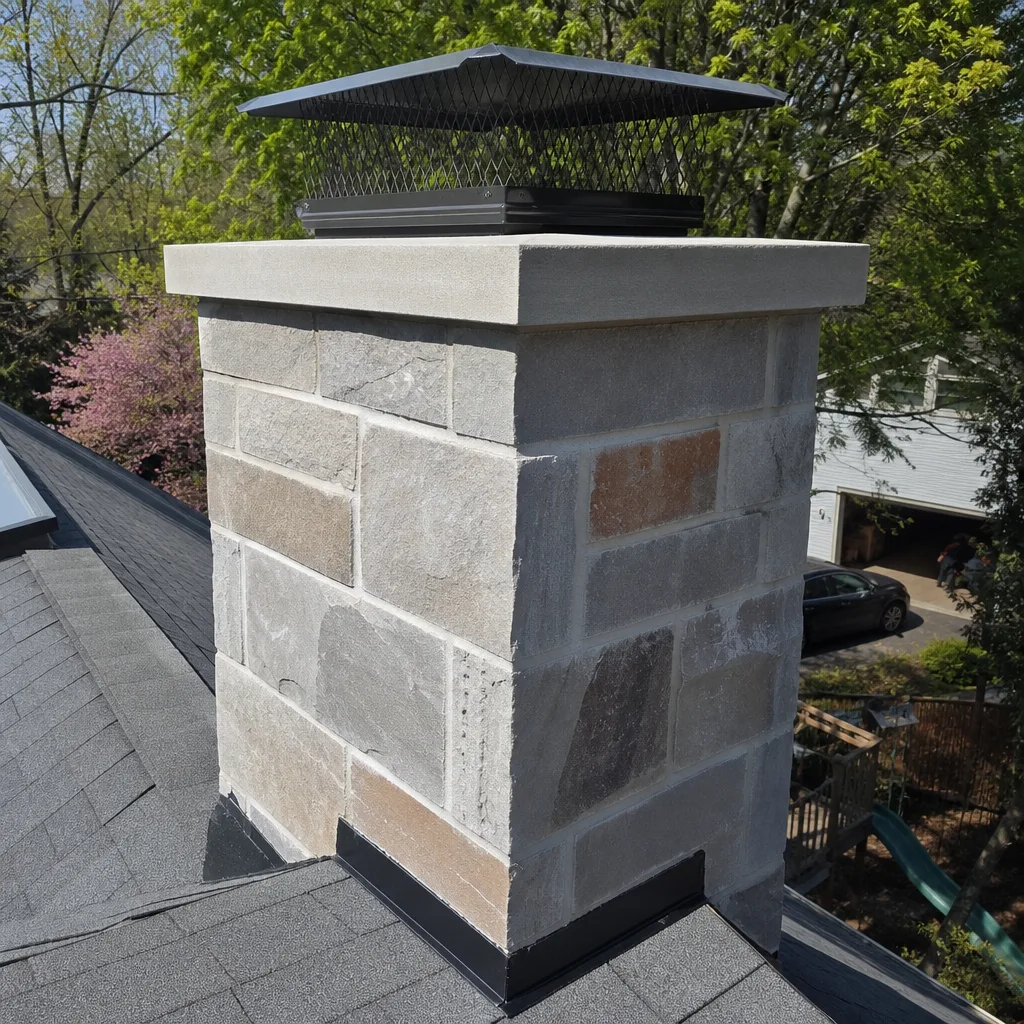 After
After Before
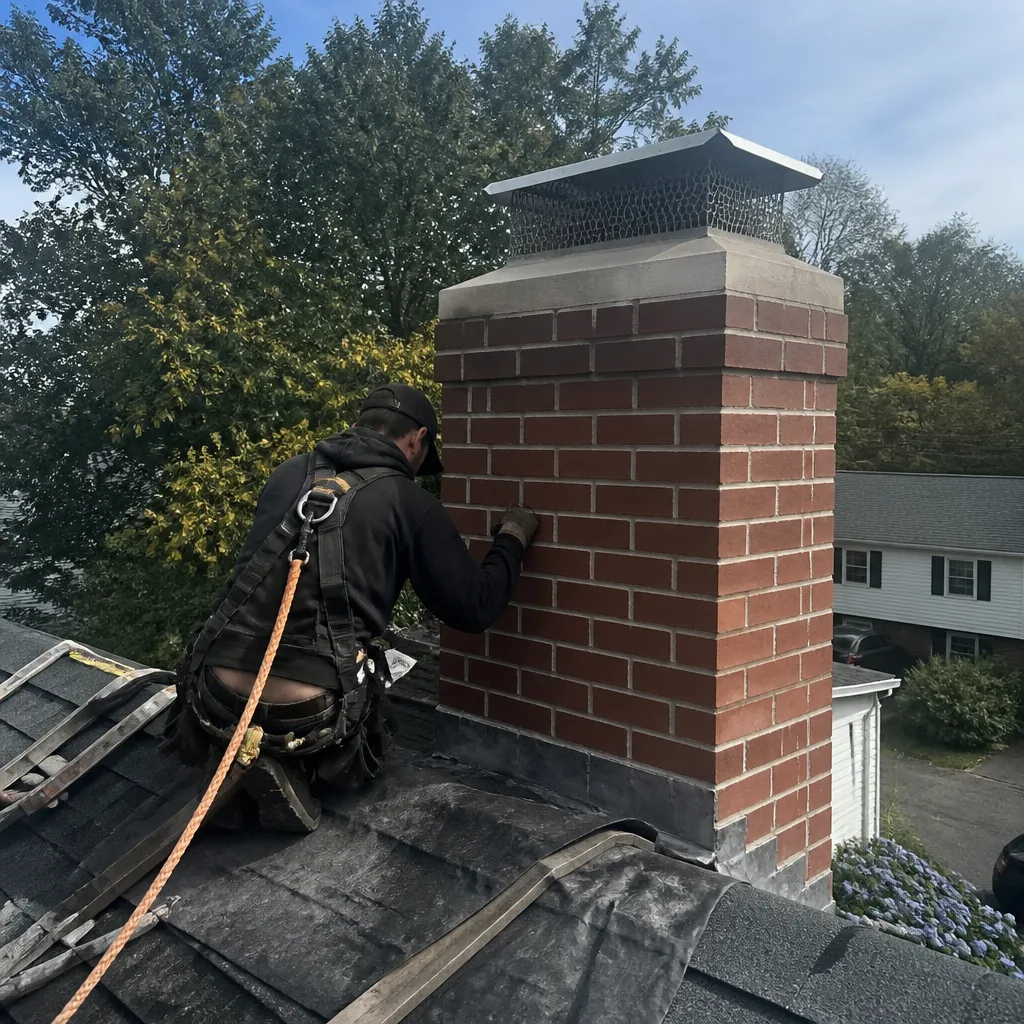 After
AfterCreosote Removal in Annapolis, MD
Creosote removal in Annapolis typically runs between $150 and $600 depending on how far the buildup has progressed, and in most cases Wendell and his crew can handle it the same day you call. If your flue has reached second- or third-degree buildup, waiting is not a neutral choice – the Annapolis Fire Department lists chimney fires among the top causes of house fires in Anne Arundel County, and heavy creosote is the fuel that makes them happen.
We have been providing Chimney Cleaning & Sweep services in Annapolis since 1999, and creosote is the one problem we see on nearly every inspection. The waterfront lots along the Severn River and Back Creek cool fast in the off-season, which means fires burn at lower temperatures than the wood wants to burn at – and low-temperature fires are exactly the condition that turns wood smoke into a sticky, flammable glaze on the inside of your flue. If you have noticed a dark, tar-like smell coming from your firebox, or if nobody has been inside your chimney in the past two seasons, it is time to let someone look.
This page covers what creosote removal involves, what it costs here in Annapolis, and how we handle it differently from the franchise outfits that quote low on the phone and surprise you at the door. If you want to understand the full scope of what a chimney cleaning appointment covers, our Chimney Cleaning & Sweep in Annapolis page has everything laid out plainly. Or call us directly at (240) 851-3653 – a live person picks up around the clock, and it may well be Wendell himself.
What Creosote Actually Is (and Why Stage Matters)
Creosote is the catch-all name for the residue that smoke leaves behind as it cools and condenses on the walls of your flue liner. What most homeowners do not know is that creosote comes in three very different forms, and the form determines the method – and the cost – of removing it.
- First-degree creosote looks like loose, dusty flakes. It is what you get from dry, well-seasoned hardwood burned hot and often. A standard chimney brush clears it in one pass.
- Second-degree creosote is crunchier, more tar-like, and tends to build up in layers. You will often find it in Annapolis homes where the fireplace runs through October and November but the wood was stored outside and never fully dried. It takes more work and sometimes a rotary cleaning system to break it loose.
- Third-degree creosote is the one nobody wants to find. It looks like a shiny, hardened glaze or a thick, dripping tar. It bonds chemically to clay and metal liners, burns at extremely high temperatures – well above 2,000 degrees Fahrenheit – and cannot be brushed off. Removing it requires chemical application followed by mechanical removal, and in some cases Wendell will tell you that relining the flue is the safer long-term answer. He will not tell you that unless it is true.
First-degree creosote is a brush job. Third-degree is a glaze – catch it early and you stay in the brush-job category. Let it go a few seasons and the options get narrower and more expensive.
When You Need Creosote Removal
A lot of Annapolis homeowners assume they are fine because the fireplace seems to be drafting and the fire looks normal. Creosote does not always announce itself that way. Here are the situations that tell us removal is overdue:
- You smell a heavy, tarry or campfire odor coming from the firebox, especially in warm weather. Annapolis summers are humid, and humidity activates creosote smell even when the fireplace has not been used in months. That smell means buildup is present.
- It has been more than one full year since your last sweep. The National Fire Protection Association standard is once per year for any chimney that sees regular use – and chimneys break down in the off-season too, whether or not you burned all winter.
- You burn frequently through the colder months, roughly November through March. Annapolis winters are mild compared to Western Maryland, but waterfront homes on the Chesapeake side run cold and damp, and homeowners who burn two or three times a week accumulate creosote faster than occasional users.
- You have been burning green or wet wood. Unseasoned wood does not burn hot enough to push combustion gases fully up and out, and every fire deposits a thicker layer of creosote than dry wood would. We see this constantly in South Annapolis and the Hillsmere Shores area, where people cut their own wood and store it outside for less than a year.
- You recently bought the home and have no service history. A real estate inspection rarely includes a thorough chimney inspection. Wendell carries a camera on every job, and what it finds inside a flue on a home that has changed hands is often not pretty.
- You have had a chimney fire – even a small one. Many chimney fires go undetected. If you ever heard a rumbling, popping sound in the flue, or saw the metal damper or liner warp, that is a sign a fire has already occurred. Third-degree creosote that has partially combusted leaves behind a puffy, honeycombed char that needs to come out before the fireplace is used again.
Our Creosote Removal Process
We do not have a one-size approach, because first-degree and third-degree buildup are not the same job. Here is what a typical appointment looks like from the moment the truck pulls up to your Annapolis address:
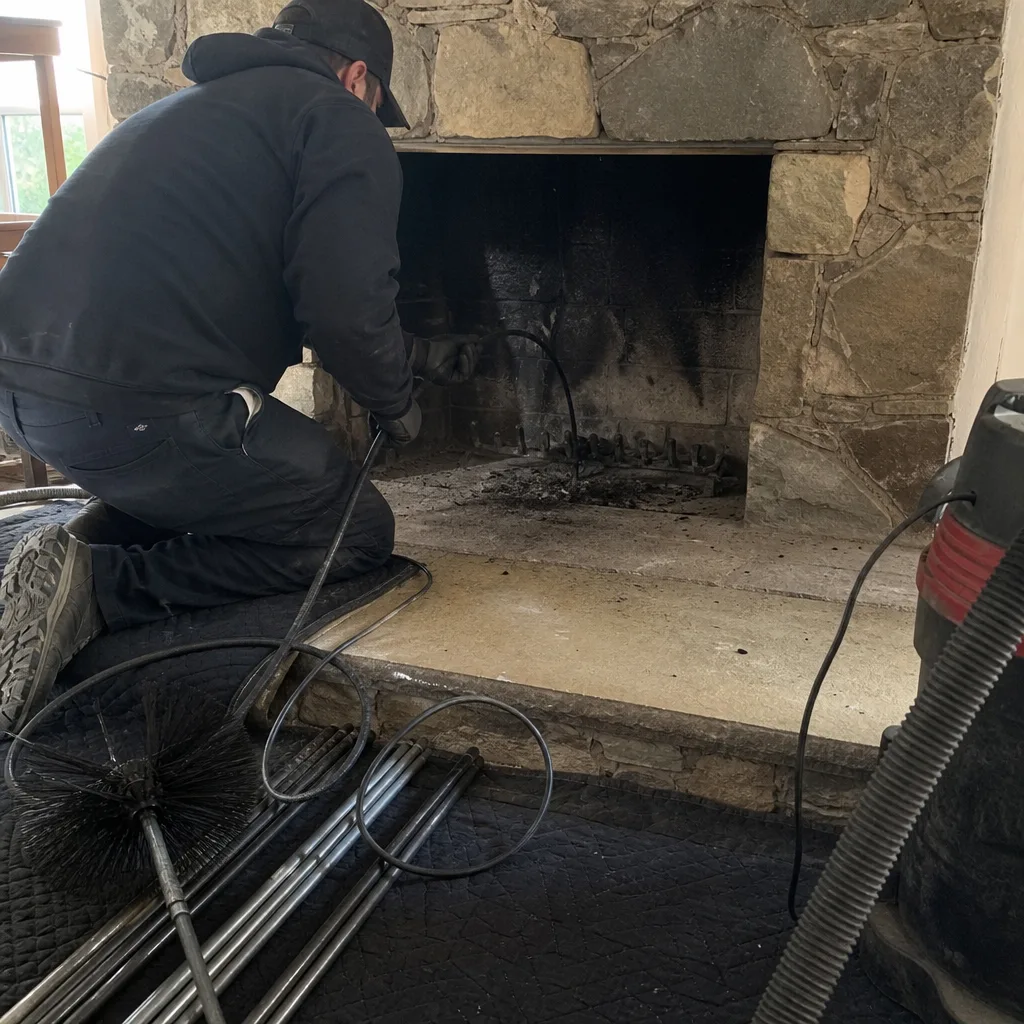
- Drop cloths and a full setup before any tool comes off the truck. The sweep who shows up at your door will lay protective covering over your hearth, your flooring, and anything nearby before opening the firebox. Annapolis homes – especially the older colonials in the Historic District and the 1970s ramblers out toward Bestgate Road – have rugs and hardwood floors that we treat like our own. The job ends clean.
- Camera inspection first. Wendell runs a video camera up the flue before any brushing begins. This is not an upsell; it is how you know what you are dealing with. Stage one buildup gets handled one way. Stage three gets handled a completely different way, and showing you the footage means you are making an informed decision, not taking our word for it.
- Mechanical removal – brushing and rotary cleaning where needed. For first- and most second-degree creosote, industrial chimney brushes sized to your flue clear the deposits into a sealed vacuum system so the dust does not end up in your living room. For heavier second-degree buildup, a rotary cleaning head gets into the corners and crevices that a standard brush skips.
- Chemical application for third-degree glaze. Heavy, glazed creosote will not yield to brushing alone. We apply a chemical treatment – products from the Copperfield line work well for this – that converts the glaze into a more brittle, removable form, then follow up with mechanical removal. In severe cases, a second visit may be needed after the chemical has had time to work. We tell you that upfront, before any invoice is written.
- Post-removal inspection and plain-English report. Once the flue is clear, the camera goes back up. You get the footage and a straight verdict: what we found, what we removed, and whether anything else needs attention. If the liner shows cracks, if the crown has gaps, if the cap is missing – Wendell will say so and explain what happens if it goes unaddressed. No scare tactics, just facts.
- Cleanup and final walkthrough. Every drop cloth comes out. The area around the firebox is left the way we found it, and you will get a written record of the work – including the 90-Day Done Right Promise, which means if anything is not right, one call brings us back at no extra charge.
Creosote Removal Pricing in Annapolis
Creosote removal in Annapolis costs between $150 and $600 for most jobs, though third-degree buildup requiring chemical treatment can run higher. The number you hear on the phone is the number on the invoice. We do not quote low to get in the door and adjust once the drop cloths are down – that is exactly the move we have been cleaning up after for 29 years.
| Creosote Stage | Typical Method | Estimated Cost Range |
|---|---|---|
| First-degree (loose, dusty) | Standard brush sweep | $150 – $250 |
| Second-degree (crunchy, layered) | Rotary cleaning + brush | $200 – $375 |
| Third-degree (glazed, hardened) | Chemical treatment + mechanical removal | $350 – $600+ |
| Third-degree with liner damage | Removal + relining evaluation | Quoted on inspection |
A few things that move the number:
- Flue height and configuration. Annapolis rooflines vary. A single-story Cape Cod off Forest Drive has a shorter flue than a three-story colonial in the Eastport neighborhood, and longer flues take longer to work.
- Liner material. Clay tile liners and stainless steel liners from brands like DuraFlex handle chemical treatments differently, and we factor that in before we start.
- Access. If the chimney chase is on an exterior wall with no attic access, or if the damper is stuck, that adds time.
- How long buildup has been accumulating. A chimney that has not been swept in eight years takes longer than one that was swept last spring and just needs a light pass.
Standing discounts apply to every job: 10% off for seniors and veterans, always. If the removal leads to a repair over $200, the $40 off any repair over $200 offer applies automatically – you do not have to ask. And if you have a written estimate from another company, our free second opinion means Wendell will tell you whether that number is fair before you commit to anything.
Call (240) 851-3653 for an upfront quote. Estimates are free.
Why Annapolis Homes See More Creosote Than You Might Expect
Annapolis sits at the confluence of the Severn River and the Chesapeake Bay, which means humidity is baked into the climate for most of the year. High ambient moisture does two things to a chimney: it accelerates the condensation of combustion gases on the flue walls, and it keeps wood from drying out properly even when homeowners think it has seasoned long enough. The combination is a reliable recipe for faster-than-average creosote accumulation.
In the Quiet Waters and Bay Ridge areas, where mature oak trees are plentiful, we see a lot of homeowners who cut and split their own firewood – which is great in principle, but oak needs at least 18 months to properly season, and most of it gets burned after 8 or 9 months. Wet oak burns cool and deposits a thick, sticky layer with every fire. By the second winter, that layer has often crossed into second-degree territory.
The older homes in Annapolis – particularly the brick row houses in the Historic District built in the 18th and early 19th centuries – often have original clay flue liners that were not sized to modern insert fireplaces. An oversized flue cools exhaust gases faster, which means more condensation and more creosote per fire. Wendell has been inside dozens of those flues, and they almost always need more attention than the homeowner has been giving them.
A Note on Safety: Do Not DIY Third-Degree Buildup
We get calls from homeowners who tried a chemical log or a hardware-store treatment and want to know why it did not work. Chemical logs and powder treatments can be useful for mild first-degree buildup, but they are not rated for second- or third-degree accumulation, and they will not clean a flue that is already glazed. More importantly, if a chemical treatment dislodges a large section of hardened creosote, it can fall and block the flue or land in an area that ignites on the next fire.
Third-degree creosote removal requires training, the right mechanical tools, and the judgment to know when the liner itself has been compromised. This is not work that belongs on a ladder with a hardware-store brush. If you have any reason to believe your buildup is heavy or glazed, call a trained sweep before you light another fire. The cost of the service is a fraction of what a chimney fire costs – in repairs, in insurance claims, and in everything else that follows from it.
FAQs – Creosote Removal in Annapolis
How much does creosote removal cost in Annapolis, MD?
Creosote removal in Annapolis runs from about $150 for a straightforward first-degree sweep up to $600 or more when third-degree glaze requires chemical treatment and multiple visits. The stage of buildup is the biggest cost driver – the earlier you catch it, the less expensive it is to address. Call (240) 851-3653 and Wendell will give you an honest number before any work starts.
How do I know if I have dangerous creosote buildup?
A persistent tarry or campfire smell from your firebox – especially in summer – is the most common sign. Other indicators include a dark, shiny residue visible on the damper, visible layering inside the firebox, or a flue that has not been inspected in more than a year. A Level 1 Inspection with a camera is the only way to know for certain what stage you are dealing with. We run one on every job, and we show you the footage.
Can you remove creosote the same day I call?
In most cases, yes. For first- and second-degree buildup, same-day or next-day appointments are available across Annapolis and the surrounding areas of Anne Arundel County. Third-degree glaze that requires chemical treatment may need a follow-up visit after the product has had time to work, but we tell you that before we start – not after. Call (240) 851-3653 to check availability.
Will creosote removal fix my smoky fireplace?
It depends on what is causing the smoke problem. Heavy creosote buildup can restrict airflow and cause smoke to back-draft into the room, and removing it often solves the problem entirely. But a smoky fireplace can also stem from a damaged liner, a missing or undersized cap, negative air pressure in the home, or a flue that was never the right size for the firebox. Wendell diagnoses the actual cause during the Level 2 Inspection and tells you plainly what it will take to fix it – not just what he can sell you.
Top Hat Chimney: Serving Annapolis Since 1999
Wendell Pike started Top Hat Chimney in Annapolis in 1999 and has been working the same neighborhoods ever since. That matters because he runs into his customers at the hardware store, at the farmers market on West Street, and at the marina – and a man who does that is not going to tell you a job is done when it is not.
Every creosote removal job carries the 90-Day Done Right Promise: if the work is not right, one call brings Wendell and his crew back at no additional cost. That promise is in writing on every invoice, not something you have to ask about. The phone is answered by a live person twenty-four hours a day. There is no voicemail box, no call center, and no runaround. Upfront pricing is given before a single tool comes off the truck, background-checked technicians give you a real arrival window, and they call if anything changes.
For a full picture of what a standard chimney cleaning appointment covers – sweeping, inspection, cap check, and more – visit our home page or read through the details on the Chimney Cleaning & Sweep in Annapolis service page.
If your chimney is overdue or you just want to know what is actually going on inside your flue, call (240) 851-3653. The estimate is free, the answer is straight, and if Wendell is the one who picks up, you will have everything you need to make a decision in about five minutes.
Written by Wendell Pike, Owner at Top Hat Chimney, serving Annapolis since 1999.